Tailors Couture Blog

Amazing articles about clothing

Tips for preparing for homecoming and prom events.

Homecoming vs Prom: understanding the key differences and traditions

Homecoming and prom are two of the most anticipated events in high school, each with its own significance, history, and traditions. Homecoming welcomes alumni back and kicks off the school year with a festive atmosphere, while prom is a formal celebration marking the end of high school, a night of elegance that symbolizes both closure and new beginnings. This article explores the key differences between homecoming vs prom, from their origins to their customs and signature styles. Whether you’re a student preparing for these milestones or a parent guiding your teen through them, this guide will help you understand what to expect and how to make the most of each event. What is homecoming? Homecoming is a time-honored tradition that varies from school to school but always carries a sense of community and celebration. At its core, homecoming is about bringing people together, students, alumni, and even families, to celebrate school pride and reconnect with old friends. For many, it’s a literal “coming home,” where alumni return to their alma mater to relive memories and cheer on their school’s football team. The festivities often span an entire week, packed with events like pep rallies, parades, and spirited competitions. The highlight is usually the big football game, often against a rival team, where the energy is electric. For some students, it might be the only football game they attend all season, but it’s always a memorable one. Homecoming also features the crowning of a homecoming court, with kings, queens, and other royal titles adding a touch of tradition and excitement. What’s the point of homecoming? The purpose of homecoming goes beyond just a dance or a football game. It’s a celebration of school spirit, unity, and tradition. For students, it’s a chance to bond with classmates, show off their school pride, and create memories that last a lifetime. For alumni, it’s an opportunity to revisit their roots, catch up with old friends, and relive the excitement of their high school days. Homecoming is also a way to kick off the school year with energy and enthusiasm. The week-long festivities, from pep rallies to parades, are designed to bring everyone together and set the tone for the months ahead. Whether you’re a freshman experiencing your first homecoming or a senior savoring your last, the event is all about celebrating where you come from and the community you’re part of. Homecoming dress code One of the most common questions about homecoming is about how formal it is. The answer depends on the school, but in general, homecoming is semi-formal. It’s dressier than a typical school day but not as formal as prom. Girls often opt for cocktail dresses or stylish skirts and tops, while boys usually wear dress shirts with slacks or suits. Some might even add a tie or bowtie for a touch of elegance. The term hoco—short for homecoming—captures the event’s more laid-back vibe. However, how formal is homecoming can vary depending on your school’s traditions. Some schools might lean toward a more casual dress code, while others encourage students to go all out. When in doubt, it’s always a good idea to check with your school or ask around to see what others are wearing. After all, homecoming is about having fun and feeling confident in your outfit, whether that means a sparkly dress or a sharp suit. What is prom? Prom is the crown jewel of high school events, a night that students dream about from the moment they step into freshman year. Held in the spring, prom is a formal dance that marks a significant milestone, especially for seniors as they prepare to graduate. It’s a night of glamour, celebration, and unforgettable memories, often seen as the ultimate high school experience. Prom is more than just a dance, it’s an event steeped in tradition. From the grand entrance to the slow dances under twinkling lights, every moment is designed to feel magical. Students spend months planning their outfits, coordinating with friends, and sometimes even renting limousines to make the night extra special. For many, prom is a rite of passage, a chance to celebrate the end of one chapter and the beginning of another. How formal is prom? a black-tie affair. Corsages and boutonnieres are a must, adding a touch of tradition to the evening. Some schools even host pre-prom dinners or after-parties, extending the celebration and making the night feel even more special. Girls often wear long, elegant gowns in a variety of styles, from classic A-lines to sleek mermaid silhouettes. Boys typically don tuxedos or tailored suits, complete with ties, bowties, and polished shoes. What’s the difference between homecoming and prom? While prom and homecoming are both cornerstone events of the high school experience, they serve different purposes and have distinct vibes that set them apart. Understanding these differences can help you appreciate each event for what it is and prepare accordingly. Homecoming, often called hoco, happens in the fall and revolves around school spirit, featuring a football game, pep rallies, and a semi-formal dance. It’s a community-focused celebration that includes alumni and students of all grades, with attire that’s stylish but not overly formal—think cocktail dresses for girls and dress shirts or suits for boys. Prom, on the other hand, is a spring event that marks the end of the school year, especially for seniors. It’s a formal, black-tie affair where glamour takes center stage. Girls wear long, elegant gowns, and boys dress in tuxedos, creating a night of sophistication. The difference between homecoming and prom dresses is clear: homecoming outfits are shorter and more casual, while prom gowns are designed to impress. The atmosphere also sets them apart. Homecoming is spirited and inclusive, emphasizing school pride and togetherness. Prom is more exclusive, often limited to upperclassmen, and focuses on creating a magical, unforgettable experience. How to prepare for homecoming and prom? Preparing for homecoming and prom can be both exciting and a little overwhelming, but with the right planning, you can make the
Read More
Custom tailoring involves design, alterations modify fit

Alterations and tailoring: what’s the difference?

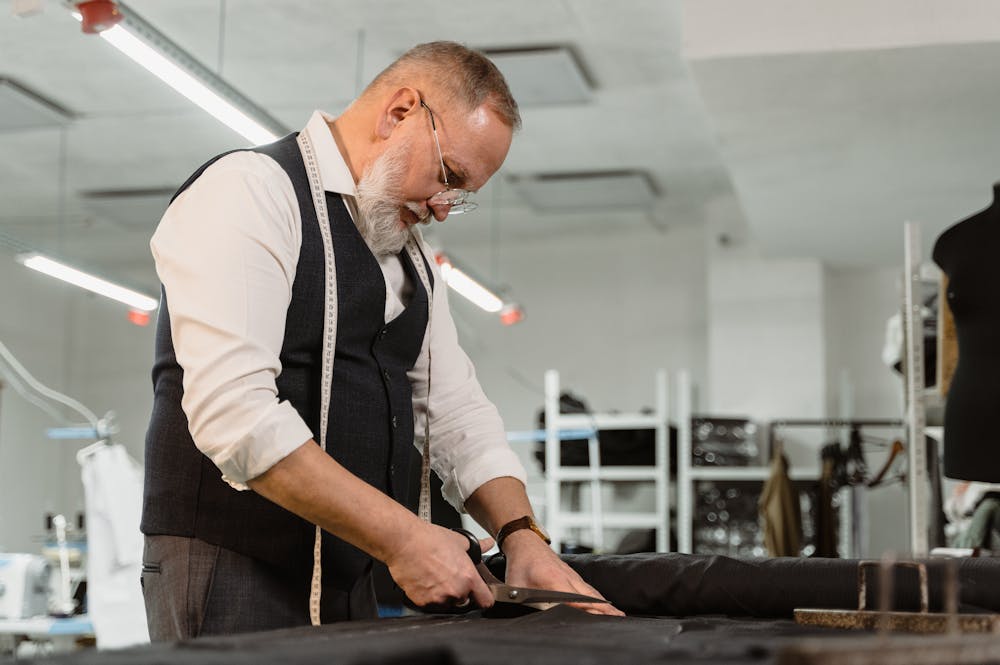
Tailoring and alterations are both essential services in the world of clothing adjustments, but they cater to different needs. While alterations typically involve small adjustments to a garment, such as hemming pants or taking in a dress, tailoring is a more comprehensive service that often creates a perfect fit by reshaping or customizing clothing to suit an individual’s body. Understanding the nuances of tailoring and alterations can help you determine which service you need for your wardrobe. Alterations vs tailoring When comparing the difference between tailoring and alterations, the key lies in their scope. Alterations are generally straightforward fixes, like shortening sleeves, fixing zippers, or adjusting waistlines. Tailoring, on the other hand, is about creating or transforming garments to enhance fit and style. For instance, a tailor might redesign a suit jacket’s structure to align perfectly with your shoulders and frame, whereas an alteration specialist would focus on smaller fixes. Knowing the difference between tailoring and alterations ensures you’re investing in the right service for your needs. What is tailoring? What is a tailor, and how do they differ from others in the clothing industry? A tailor is a skilled professional who creates, customizes, and adjusts garments to fit an individual’s unique measurements and preferences. Tailoring goes beyond simple fixes; it involves reshaping and sometimes reconstructing a piece of clothing. Whether it’s a bespoke suit or a custom dress, a tailor’s expertise ensures the garment complements your body and style seamlessly. What are alterations? What is alteration in clothing? Alterations are specific modifications made to garments to improve their fit or functionality. These adjustments include hemming, tapering, taking in seams, or letting out fabric to accommodate size changes. Alterations are often quick fixes but can make a significant difference in how a piece of clothing feels and looks. Whether it’s resizing a wedding dress or fixing a tear in your favorite jeans, alterations are a valuable service for maintaining your wardrobe. Key differences: tailoring vs alteration As we say before, the main differences between tailoring vs alteration lie in their intent and complexity. Alterations are typically limited to minor adjustments that make a garment wearable, such as fixing lengths or waist sizes. Tailoring, however, is a more intricate process that can transform or completely customize a piece of clothing. Here’s a closer look at the distinctions: Aspect Tailoring Alterations Scope Comprehensive fit customization Minor adjustments to existing garments Complexity High, may involve reshaping garments Low to moderate Purpose Enhancing style and fit Improving wearability Pricing Typically higher due to the custom nature of the service. More affordable, based on the simplicity and minimal fabric changes. Example service Customizing a suit Hemming a pair of pants   Choosing the right service Selecting the right service depends on your needs. If you’re looking for simple changes to a garment, like shortening a hem or adjusting a sleeve, alterations are the way to go. For more personalized adjustments or custom designs, tailoring is your best option. Both services play a vital role in ensuring your clothes fit beautifully and reflect your personal style. Whether you need a bespoke garment or a quick adjustment, our skilled team is ready to help you achieve the perfect fit. Book now! FAQs Tailoring and alterations can seem confusing at first, but with the right information, you’ll find the process straightforward and rewarding. Below are some common questions to help you better understand these services. What does a tailor do? Clothes alterations are just one aspect of a tailor’s work. A tailor’s role includes crafting, designing, and modifying garments to fit an individual’s body perfectly. Beyond alterations, tailors offer services like resizing suits, customizing wedding dresses, and even creating bespoke clothing from scratch. What is the difference between a seamstress and a tailor? While both seamstresses and tailors work with clothing, their roles differ. Seamstresses primarily focus on sewing and constructing garments, often from patterns or designs. Tailors, on the other hand, specialize in fitting and altering clothes to ensure a perfect fit. Both play essential roles, but a tailor’s work is more focused on customization and fit. Do tailors repair clothes? Yes, tailors often repair clothes as part of their services. Whether it’s fixing a tear, replacing buttons, or mending a pocket, tailors can restore your favorite garments to like-new condition. Repairs are a sustainable way to extend the life of your wardrobe while maintaining its style and functionality. Tailored vs altered: what’s the difference? Tailored garments are designed or extensively adjusted to fit your unique measurements and style preferences, often involving significant customization. Altered garments, by contrast, undergo minor adjustments, such as hemming or resizing, to improve fit and comfort. Both tailored and altered clothing can elevate your wardrobe, but tailoring provides a more personalized touch. How to find the right seamstress or tailor for you? Finding a skilled seamstress or tailor can make all the difference in your wardrobe. Look for professionals with strong reviews and expertise in tailoring and alteration services. If you’re in Katy, Cinco Ranch, Cypress, or the surrounding areas of Houston, consider Tailors Couture. They offer top-notch tailoring and alterations services to ensure your clothes fit and look their best.

Read More
Expert tailor providing military uniform alterations

Complete guide to military uniform alterations and tailoring

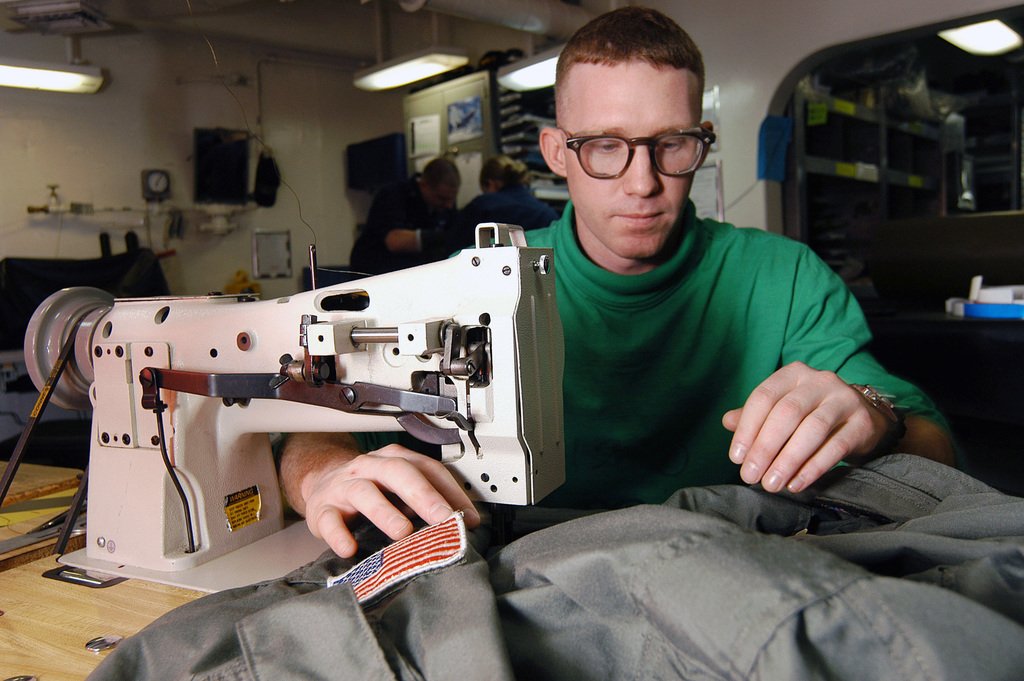
If you’ve ever wondered where to find reliable military uniform alterations near you, you’re not alone. Whether you’re preparing for a ceremony, inspection, or just want your uniform to fit like a glove, proper alterations are essential. This guide will walk you through everything you need to know about tailoring military uniforms, from types of services to tips on finding the best tailor. What are military uniform alterations? Uniforms are more than just clothing, they’re a representation of honor, service, and dedication. Military alterations involve tailoring uniforms to meet strict regulations while ensuring a perfect fit. This includes adjusting sleeves, hemlines, waistlines, and more. Proper military uniform alterations ensure that every detail aligns with the requirements of your branch, whether it’s for daily wear or a formal dress occasion. Types of alterations available Military clothing alterations go beyond simple resizing. These services often include adjusting inseams, tapering sleeves, and modifying jacket shoulders to ensure a sleek, professional appearance. A military uniform tailor specializes in crafting uniforms that comply with military standards. These tailors have expertise in working with a variety of materials, from lightweight fabrics to heavy-duty dress jackets, and can help create a polished, professional look. Army uniform alterations Army uniforms often come with specific tailoring needs, especially for formal attire like the ASU (Army Service Uniform). Adjusting the jacket’s fit, hemming trousers, or resizing a shirt to meet the Army’s standards requires precision and attention to detail. Many tailors offer army uniform alterations near you to ensure compliance with regulations while maintaining comfort and style. Navy uniform alterations For sailors, the Navy’s uniform standards are just as detailed. Whether it’s a dress white uniform or a daily service uniform, navy uniform alterations ensure a sharp, professional appearance. From shortening sleeves to adding insignia with precision, a skilled tailor can make a significant difference. Sewing military patches Adding patches and insignias might seem straightforward, but it’s crucial to get it right. Uniform alteration services that specialize in military patches understand the importance of precise placement and secure stitching. Whether you’re adding rank insignia or unit emblems, trust a professional tailor to handle the job. Custom fitting adjustments Every individual is unique, and so are their uniforms. Military clothing alterations for custom fitting involve adjusting the uniform to fit your specific measurements. This can include tapering the sides, shortening sleeves, or modifying the waistline to create a comfortable yet regulation-compliant fit. Where to go for military uniform alterations? Finding reliable military uniform alterations near you doesn’t have to be difficult. Tailors Couture, serving Katy, Cinco Ranch, Cypress, and the greater Houston area, is a trusted provider of military tailoring services. Their experienced team ensures your uniform meets military standards while delivering a perfect fit. Book an appointment today and experience expert tailoring for your military uniform! Tips for choosing the right tailor Choosing the right tailor can make all the difference in how your uniform looks and feels. When searching for uniform alterations, consider the following: Look for tailors experienced with military regulations. Check online reviews and customer testimonials. Ask about turnaround times, especially for last-minute needs. A professional tailor will not only ensure compliance with uniform standards but also enhance your overall appearance. FAQs: Military Uniform Alterations Ensuring your uniform fits perfectly is essential not only for comfort but also for maintaining a professional appearance. Below, we answer some of the most common questions about military uniform alterations, tailoring services, and what to expect. Where can I find military uniform alterations near me? Finding a reliable place for military uniform alterations near you can make all the difference. Look for a tailor with experience in military regulations and attention to detail. If you’re in Katy, Cinco Ranch, Cypress, or anywhere around Houston, Tailors Couture is a trusted option. Their expertise in military tailoring ensures your uniform is fitted to perfection while meeting all official standards. How much does it cost to alter a military uniform? The cost of altering a military uniform varies depending on the specific adjustments required. Simple alterations, such as hemming trousers or shortening sleeves, are generally more straightforward and quicker to complete than more intricate tasks like resizing a jacket or adjusting the fit of a dress uniform. The total cost will depend on factors such as the complexity of the work, the type of uniform, and the level of precision needed. Consulting a skilled tailor with experience in military alterations is essential to ensure compliance with uniform regulations and achieve a polished, professional result tailored to your exact needs. Can I get same-day military alterations? Yes, same-day services are available at select tailoring shops. Tailors Couture, for instance, offers same-day military uniform alterations near you, ensuring you’re ready for inspections, ceremonies, or any last-minute event. Whether it’s hemming pants or adjusting a jacket, their quick turnaround ensures quality without compromising on precision. What services are included in military tailoring? Military tailoring involves a variety of services to ensure your uniform meets regulations and fits comfortably. These include: Adjusting jacket shoulders and sleeves. Tapering trousers for a sleeker fit. Adding or relocating patches, insignias, and rank badges. Resizing shirts and jackets to achieve a tailored look. Professional tailors with experience in military uniforms understand the importance of these details, ensuring every adjustment meets official requirements. What should I do if I need specific adjustments for a dress uniform? Dress uniforms require extra attention to detail, especially for formal events or inspections. Start by consulting a tailor who specializes in military attire. They will ensure the fit is flawless and that insignias, medals, and rank patches are properly placed. If you need last-minute adjustments, check for shops offering same-day services. Are navy, marine, and army uniform alterations different? Yes, each branch of the military has its own unique uniform standards, which means the alterations may vary. For example: Navy uniforms often involve precise tailoring for dress whites and blues, including adjustments to trousers and jackets. Marine uniforms focus on a sharp, structured fit, especially for

Read More
Resizing prom dress for better fit

Common prom dress alterations: everything you need to know to get the perfect fit

When it comes to looking your best, a perfectly fitted dress can make all the difference. Whether you’re getting ready for prom, a wedding, or any special occasion, the right alterations can transform how your dress fits and feels. At Tailors Couture, we specialize in prom dress alterations that enhance your comfort and style. As the best prom dress tailor in town, we’re here to ensure you shine on your big day. What Are Dress Alterations? Dress alterations are adjustments made to a garment to improve its fit or design. From shortening hems to reshaping necklines, alterations can turn an off-the-rack dress into a custom masterpiece. A common question we hear is, “Can tailors add slits to dresses?” The answer is yes! Adding a slit not only enhances the look of your dress but can also make it more comfortable to move in. Whether it’s your favorite gown or a newly purchased prom dress, alterations can help you achieve a flawless fit. Most common types of dress alterations When preparing for an event, especially prom, it’s important to know what changes can be made to your dress. If your prom dress doesn’t fit perfectly, don’t worry, there are many ways to make it just right. Below, we’ve outlined the most frequent alterations to help you feel confident in your gown. Hemming Shortening the length of a dress is one of the most popular alterations. Whether your dress is too long for your height or you want to showcase your shoes, hemming ensures the perfect length. For prom dresses, this is especially important to avoid tripping on the dance floor! Resize: taking in or letting out Resizing a prom dress involves either taking it in for a snugger fit or letting it out to provide more room. This alteration is ideal if you’ve experienced size changes or want to adjust the dress’s fit for a more flattering silhouette. With skilled tailoring, your dress will look as if it was made just for you. Bustle adjustments Dresses with long trains look elegant but can be challenging to manage. Adding a bustle on prom dress helps secure the train, making it easier to walk and dance. Whether it’s a bustle for prom dress or a wedding gown, there are several styles to choose from, ensuring both functionality and beauty. A bustle on a prom dress can save you from accidental trips while keeping the dress’s charm intact. Straps and sleeves If your dress straps are too loose or tight, don’t worry. Adjusting straps and sleeves is a simple yet effective way to improve fit. Not sure how to alter a dress? Bring it to us, and we’ll ensure the straps sit comfortably without digging into your shoulders. Neckline adjustments Your dress’s neckline plays a big role in its overall appearance. Whether you want to raise, lower, or reshape it, skilled tailoring can make your vision a reality. A common inquiry we get is, “Can a tailor change the neckline of a dress?” Absolutely! From plunging V-necks to modest adjustments, the possibilities are endless. Adding/removing applique or beading For a touch of glamour, adding appliques or beadwork can elevate your dress’s elegance. Conversely, removing overly flashy embellishments can create a more understated look. This is a very common prom dress alteration that allows you to personalize your gown. Basting string Basting strings are a temporary stitching technique used during fittings to hold adjustments in place. This step ensures precision in alterations and allows tailors to make additional tweaks if necessary. Bust cups If you do not want to wear a bra with your prom dress, adding bust cups is a game-changer. This alteration provides support and enhances the dress’s fit, giving you one less thing to worry about on the big night. Corset For dresses that lace up, corset adjustments can refine the fit and enhance your figure. Whether tightening or loosening, this alteration adds a custom feel to your gown. How to know if a dress can be altered Not every dress is an ideal candidate for alterations, but most can be improved with the right expertise. Start by checking the seams: a dress with extra fabric in the seam allowances is easier to let out, while one with minimal margins might limit adjustments. Fabric type also matters, sturdy materials like satin or tulle are easier to alter compared to delicate, heavily embellished fabrics. And don’t forget the structure! Dresses with complex boning or intricate beading might require more advanced techniques. If you’re unsure, bring your gown to an experienced tailor for a consultation. They’ll guide you on the possibilities, whether you’re adjusting the size, changing the neckline, or adding flair to your prom dress. Timeline and costs for alterations Getting your dress altered is an investment of both time and money, so planning ahead is key. During the busy prom season, alteration shops fill up quickly. To ensure you get your dress back in time, schedule your first fitting at least a month before the event. This timeline also allows for additional fittings if adjustments need tweaking. How long does it take to alter a prom dress? The time required for prom dress alterations depends on the complexity of the changes. For simple adjustments, like taking in the waist or shortening the hem, it might only take a week. However, if you’re making extensive changes, like resizing the bodice or creating a custom bustle on a prom dress, allow at least 2–4 weeks. How much does it cost to alter a prom dress? The cost of alterations to your prom dress varies widely based on the type of changes needed. Keep in mind that these prices often reflect the craftsmanship and time required to ensure a perfect fit. For the best results, communicate your expectations clearly during your first fitting, and always ask for a cost estimate upfront. Tips for getting the best results Prom night is one of the most memorable events in any young person’s life, and the perfect

Read More
Pants tailoring process to create a custom fit.

How to tailor pants: a step-by-step guide

Tailoring pants can seem daunting, thats why in this article we explain how to tailor pants. If you’ve wondered, “Can tailors make pants slimmer?” the answer is a resounding yes! Tailors are skilled in adjusting the fit of pants to create a streamlined and flattering silhouette. However, if you prefer to try this at home, the process involves a few key steps. First, determine where the adjustments are needed—waist, length, or leg width. Next, pin and mark the areas requiring changes. After that, carefully remove the seams and make the necessary adjustments before sewing everything back together. If you’re unsure about tackling this yourself, consider looking for reputable professionals and researching “where to tailor pants” in your area for expert assistance. Materials needed for pants alteration Before diving into the process of altering pants, it’s essential to gather the necessary materials. Having the right tools can make the task of altering pants much easier and more precise. To learn how to alter pants properly, you’ll need a measuring tape, sewing pins, a seam ripper, a sturdy pair of scissors, and a sewing machine. Hand-sewing needles and a pressing iron are also helpful for refining the finished look. By having these items on hand, you can confidently tackle a range of adjustments, from resizing to hemming. Whether you’re a beginner learning how to alter pants or someone looking to refresh their skills, proper preparation ensures the best results. Essential tools for tailoring pants at home If you’re planning to resize trousers, invest in sharp fabric scissors and a seam ripper to make removing existing stitches a breeze. For tailoring pants with precision, a pressing iron is indispensable for creating sharp creases and neat hems. These tools are fundamental in achieving professional-grade results, whether you’re making slight adjustments or completely resizing your trousers. Choosing the right thread and needles Choosing the right thread and needles is critical to ensuring a seamless alteration process. When altering pants, select a thread that matches the original fabric in both color and strength to maintain the garment’s appearance. For example, if you’re learning how to tailor dress pants, use a fine needle and lightweight thread suitable for delicate fabrics. On the other hand, for heavier materials like denim or wool, a thicker needle and durable thread are recommended. Properly matching your materials ensures that your stitches blend in and your pants retain their original look while accommodating the changes. Preparing your pants for alteration Preparation is key when undertaking any pants alteration project. To make pants smaller or achieve a tailored fit, start by washing and pressing them. This step ensures that the fabric is clean, wrinkle-free, and ready for adjustments. Next, carefully examine the pants for any existing pants alterations or structural details like pleats or pockets that may affect your adjustments. By thoroughly preparing the garment beforehand, you set the stage for precise and clean alterations that enhance the fit and style of your pants. Measuring your waist and inseam accurately Accurate measurements are the foundation of any successful tailoring project. To alter dress pants properly, start by measuring your waist and inseam with a flexible tape measure. For the waist, wrap the tape snugly around the natural waistline, ensuring it’s level all the way around. For the inseam, measure from the crotch seam to the desired hemline. These measurements are crucial for creating a fit that flatters your body shape. If you’re exploring how to tailor your own pants, mastering this step will save time and ensure professional-looking results. Marking the fabric for adjustments Marking the fabric accurately is essential for achieving clean and precise alterations. To resize pants or make them smaller, use fabric chalk or a washable marking pen to indicate where adjustments are needed. Always double-check your measurements and markings before cutting or sewing to avoid costly mistakes. By carefully marking the fabric, you ensure that your adjustments are consistent and align perfectly, resulting in a well-tailored fit. Pants alteration techniques There are several techniques to alter pants, depending on your specific needs. If you’re learning how to alter pants to a smaller size, start by pinning the fabric along the seams to determine how much to take in. For waist adjustments, consider adding darts or removing excess fabric from the center back seam. Hemming is another common alteration for achieving the perfect length. By exploring various alterations for pants, you can customize them to fit your body and style preferences. With patience and practice, these techniques can help you transform any pair of pants into a perfect fit. The differences between pants alteration and resizing Alteration typically involves small adjustments, like shortening a hem or taking in the waist. Resizing, on the other hand, refers to more significant changes, such as modifying the overall size of the pants. Whether you’re tailoring suit pants or casual trousers, knowing which approach to take can save time and ensure the best results. Common mistakes to avoid when tailoring pants Tailoring pants can be tricky, and avoiding common mistakes is essential for success. Some errors include cutting too much fabric, failing to match thread colors, or overlooking the fabric type when making adjustments. Always measure twice and pin carefully to avoid these pitfalls! Pants tailoring vs. buying new pants When deciding between pants tailoring and buying new pants, consider cost, time, and personal preference. Tailoring allows you to keep garments you already own and make them fit perfectly. On the other hand, buying new pants might be a better choice for significant size changes. Frequently asked questions about pants alterations Pants alterations may seem straightforward at first glance—just a matter of shortening a hem or tightening the waist, right? However, the process is often more complex than it appears. Altering pants requires precision, the right tools, and a thorough understanding of garment construction. It’s no surprise, then, that many people turn to professional tailors for help. While it’s possible to make minor changes at home, achieving a polished, professional finish requires expertise.

Read More

Tips for choosing the perfect weeding dress

Embarking on the journey to find the perfect wedding dress is a momentous occasion for any bride-to-be. Amidst the excitement and anticipation of selecting the gown that will adorn them on their special day, there are numerous factors to consider to ensure a seamless and memorable dress shopping experience. Consider your body shape When considering your body shape while choosing a wedding dress, it’s essential to recognize that different dress styles will accentuate various aspects of your figure. Understanding your body shape is the first step towards finding a dress that not only fits well but also enhances your natural features. For instance, if you have an hourglass figure characterized by a well-defined waist, you might opt for a dress that emphasizes this feature, such as a mermaid or trumpet silhouette. Conversely, if you have a pear-shaped body with wider hips and a narrower upper body, A-line or ball gown styles can help balance out proportions while highlighting your waist. Similarly, for those with a rectangular body shape, dresses with detailing around the waist or styles that create the illusion of curves, like a ball gown with a voluminous skirt, can add dimension. By considering your body shape, you can narrow down dress options that will flatter your figure and make you feel confident and beautiful on your wedding day. Set a Budget Setting a budget for your wedding dress is a crucial step in the planning process that can help guide your overall spending and ensure financial responsibility. Before embarking on your dress shopping journey, take some time to evaluate your overall wedding budget and determine how much you’re willing to allocate specifically for the dress. Consider factors such as venue costs, catering, decorations, and other essential expenses to arrive at a realistic figure. It’s essential to be honest with yourself about what you can afford and stick to your budget to avoid any financial strain later on. Once you’ve established a budget, be sure to communicate it clearly with anyone involved in the dress selection process, such as family members or bridal consultants. This will help manage expectations and prevent any misunderstandings about what you’re willing to spend. Keep in mind that your budget should not only cover the cost of the dress itself but also alterations, accessories, and any additional fees that may arise. While it’s tempting to splurge on a designer gown or elaborate embellishments, remember that there are beautiful wedding dresses available at a range of price points. By setting a budget and sticking to it, you can explore a variety of options within your means and find a dress that makes you feel stunning without breaking the bank. Additionally, consider shopping during sales events or looking for sample sales to potentially snag a designer gown at a discounted price. Research styles Researching wedding dress styles is a fundamental aspect of the bridal gown selection process, offering a plethora of options to explore and consider. With countless styles available, ranging from classic and traditional to modern and avant-garde, conducting thorough research allows brides to familiarize themselves with the diverse array of options and narrow down choices based on personal preferences and aesthetic preferences. Begin by immersing yourself in bridal magazines, online platforms, and social media channels dedicated to weddings, where you can find a wealth of inspiration and information about different dress styles. Pay attention to the details of each dress, from silhouette and neckline to fabric and embellishments, to gain a comprehensive understanding of what resonates with you aesthetically. Additionally, consider seeking inspiration from real weddings, fashion shows, and celebrity bridal looks to observe how various styles translate in different contexts and settings. Take note of specific elements that appeal to you, whether it’s the clean lines of a minimalist gown, the intricate lacework of a vintage-inspired dress, or the dramatic flair of a couture creation. As you research different styles, it’s essential to keep in mind factors such as body shape, venue, and personal style preferences. Certain silhouettes may flatter specific body types more than others, while certain styles may be more suitable for different wedding themes or locations. By considering these factors alongside your research, you can narrow down dress options that align with your vision for your wedding day. Moreover, don’t hesitate to consult with bridal consultants or stylists during your research process. These professionals can offer valuable insights and recommendations based on your preferences and help you navigate the vast landscape of wedding dress styles with confidence and clarity. Contemplate Dress Alterations Contemplating dress alterations is a crucial aspect of the wedding dress selection process, ensuring that the chosen gown fits flawlessly and accentuates the bride’s figure on her special day. While it’s rare to find a dress that fits perfectly off the rack, understanding the potential alterations needed allows brides to make informed decisions and envision how the dress will ultimately look and feel. Firstly, it’s important to recognize that most wedding dresses will require some degree of alteration to achieve the desired fit and silhouette. Whether it’s adjusting the hemline, taking in or letting out the bodice, or adding custom embellishments, alterations play a significant role in transforming a dress into a personalized masterpiece that complements the bride’s unique body shape and style preferences. When contemplating dress alterations, it’s essential to work closely with experienced seamstresses or tailors who specialize in bridal alterations. These professionals possess the expertise and skillset required to execute precise alterations while preserving the integrity and design of the dress. Schedule consultations with potential seamstresses early in the dress shopping process to discuss alteration possibilities and receive cost estimates, allowing ample time for alterations to be completed before the wedding day. During these consultations, communicate openly with the seamstress about your expectations, preferences, and any concerns you may have regarding the fit or design of the dress. Bring along shoes and undergarments that you plan to wear on your wedding day to ensure accurate measurements and fittings. Additionally, consider bringing inspiration photos or

Read More
Scroll to Top

Our Gift To You

Claim Your 10% Off Coupon!

Sign up today to claim your exclusive discount on any of our expert tailoring and alteration services.