Tailors Couture Blog

Amazing articles about clothing

A man wearing a perfectly fitted navy blue semi-formal blazer and crisp white shirt standing in an elegant tailor shop.

Semi-Formal Attire for Men

Navigating the nuances of men’s fashion can feel like walking a tightrope, especially with dress codes that seem to shift depending on the invitation. Semi-formal attire is a prime example of this confusion; it is frequently misinterpreted as either a license to dress casually or a strict requirement for full evening tails. Finding the balance is essential, as wearing the wrong outfit can leave you feeling awkward among your peers. The goal of this guide is to demystify the rules of this versatile dress code once and for all. By understanding the core principles, you will gain the confidence to assemble an outfit that hits the mark every time. What is Semi-Formal Attire? Think of semi-formal dress as the sweet spot between the rigid sophistication of black-tie and the relaxed nature of everyday casual wear. It is a dress code that demands effort but encourages a degree of personal expression. While a full tuxedo would be overkill, showing up in a worn-out hoodie is certainly not an option. At its heart, this style revolves around well-constructed blazers, tailored smart trousers, and crisp, professional shirts. There is, however, a touch of flexibility for the modern man; pairing a refined blazer with high-quality dark jeans or sharp chinos can absolutely work, provided the rest of your ensemble remains polished. It is about looking intentionally put-together without appearing as though you are heading to a royal gala. What is an Example of Semi-Formal Dress Code? To master this style, you need a reliable blueprint. The benchmark outfit for any semi-formal occasion is a charcoal grey suit paired with a crisp white dress shirt. Adding a conservative, solid-colored tie brings an immediate sense of authority, while a pair of black leather Oxford shoes grounds the look in classic elegance. Accessories, such as a leather-strap watch or a coordinating belt, should be understated to keep the focus on your silhouette. Above all else, remember that fit is everything. Regardless of the brand or the cost of your suit, the ensemble will fall flat if the fabric bunches or hangs incorrectly. Your clothes should skim your frame, looking neither too loose nor too tight. A tailored appearance projects confidence and respect for the event, ensuring you look perfectly balanced and comfortable throughout the evening. Comparison: Semi-Formal vs. Formal Distinguishing between these two dress codes is the secret to appearing effortlessly stylish rather than noticeably out of place. While the lines can occasionally blur, the fundamental difference lies in the level of traditional formality required by the event. Semi-formal attire is perfectly suited for business dinners, cocktail hours, or semi-private social gatherings where professionalism is expected but personal style is permitted. In contrast, formal attire—often synonymous with black-tie—is reserved for galas, weddings, or high-stakes evening ceremonies where strict adherence to tradition is the goal. A semi-formal ensemble relies on the versatility of the blazer and tailored trousers, allowing you to experiment with colors and textures. Formal wear is far more prescriptive, typically demanding a tuxedo, a classic two or three-piece suit, or in the most traditional British circles, a tailcoat or morning suit for daytime events like Royal Ascot. The British approach to these codes remains quite rigid; there, the distinction is often a matter of heritage. While a sharp blazer might pass for a semi-formal afternoon, the British definition of formal wear is anchored in long-standing sartorial history where specific cuts and accessories are non-negotiable. Mastering this gap is simple once you identify the nature of the invitation. The “Don’t” List: What to Avoid Even if you possess a great sense of style, falling into common fashion traps can instantly diminish your appearance at a semi-formal event. Some garments simply lack the structure required to maintain the necessary level of elegance. To ensure your look remains refined, steer clear of the following: Denim: Jeans are generally too casual for this dress code. If you feel compelled to wear them, they must be of a dark, uniform wash, completely free of any distressing, rips, or fading. Shorts and Graphic Tees: These pieces belong in your weekend rotation, not at an event that demands a degree of sophistication. Always opt for tailored trousers and collared shirts instead. Athletic Footwear: Sneakers, gym shoes, and sandals signal a lack of effort. Your footwear should be made of polished leather or high-quality suede. Neon Colors and Loud Prints: The goal is to appear understated and confident. Vibrant, distracting hues or chaotic, busy patterns take away from the clean lines of a well-chosen outfit. Casual Outerwear: Technical gear, such as windbreakers, parkas, or puffer jackets, clashes with the refined nature of this attire. Choose a classic topcoat or a structured wool coat if you need an extra layer. Often, the biggest obstacle to achieving the perfect look is not the choice of garment, but the fit. An outfit that is too baggy or overly loose will inevitably look sloppy. If your current wardrobe feels like it doesn’t quite sit right, our alterations services can refine your existing pieces so they contour properly to your frame. We specialize in tailoring your clothes to create the sharp, intentional silhouette required for semi-formal attire for men, ensuring you look your best without needing to buy a new wardrobe. Seasonal Adaptation: Summer Semi-Formal Dressing for warm-weather events requires a balance between staying cool and maintaining a sharp silhouette. The key is choosing the right fabrics. Prioritize natural fibers like linen and fine cotton, as these offer the breathability needed to stay comfortable under the sun. For your blazers and trousers, opt for lighter color palettes such as beige, tan, or light grey to reflect the season. The “short-sleeve” dilemma is a common topic in summer styling. A short-sleeve dress shirt can absolutely be acceptable, provided it is high-quality and features a structured collar that maintains its shape. Avoid flimsy, shapeless shirts; instead, seek a version that offers a crisp silhouette. Remember, even in the heat, the success of your ensemble relies on how well your
Read More
Professional tailor performing mens suit alterations

Mens alterations: Guide to the Most Common Tweaks

The weather is finally warming up, the heavy winter coats are going back into storage, and wedding season is just around the corner! This time of year always brings a fresh wave of energy, and naturally, you want your wardrobe to reflect that. Pulling out those lighter fabrics often reveals that some pieces do not fit quite right anymore. Investing in quality mens clothing alterations is the absolute best way to breathe new life into your favorite seasonal pieces. Whether you want a sharper silhouette or just need to fix a few worn-out hems, general mens alterations provide that much-needed wardrobe refresh. Finding a skilled professional makes all the difference in how you feel stepping out the door. You might be surprised at how completely transformative even minor adjustments can be for your confidence. If you are starting the hunt by searching for “mens alterations near me”, you are already on the right track to a better-fitting closet. Connecting with a trusted mens alterations tailor near me ensures that your garments are handled with care, turning those slightly awkward, off-the-rack pieces into something that looks entirely custom-made for you. Shortening and Lengthening Trousers Pants are notoriously difficult to buy perfectly sized directly from the store, making hem adjustments incredibly popular. Proper mens pants alterations ensure your trousers break exactly where they should over your shoes, rather than dragging on the floor or floating awkwardly high. Honestly, finding that perfect length straight off the rack is like finding a needle in a haystack, mainly because most brands cut their inseams generously to accommodate the tallest possible customer. This means almost everyone has to deal with excess fabric pooling around their ankles at some point. Leaving trousers too long not only looks a bit sloppy but actually destroys the fabric over time as you constantly step on your own hems. It is always a smart move to trust this to a professional who handles mens pants alterations. Plus, let’s not forget about the opposite problem—trousers that are just a fraction too short. A skilled tailor can often let down a hem, utilizing the hidden extra fabric tucked inside the cuff to give you that much-needed extra inch or two. You spend hard-earned money on your wardrobe, so ensuring the length complements your build and your footwear is simply one of the best style investments you can make. Refining the Jacket Waist and Sleeves A sharp blazer is an absolute staple in any closet, but buying off-the-rack usually means compromising on the fit. Manufacturers typically design jackets to accommodate a wide variety of body types, which unfortunately results in a boxy, square shape that does not flatter anyone particularly well. By carefully taking in the back or side seams, a professional can suppress the waist, giving you that highly desired, athletic V-shape. This process of narrowing the torso completely transforms the overall silhouette from frumpy to custom-made. It is truly amazing how a simple nip at the waist makes your shoulders look broader and your posture appear taller. If you need this fixed quickly before an upcoming wedding or business conference, you will want someone who handles mens jacket alterations. Beyond the torso, the arms are the next dead giveaway of an improper fit. Sleeves that swallow your hands look a bit sloppy, while sleeves that ride up too high are equally awkward. The golden rule of menswear is that your jacket should reveal about half an inch of your dress shirt cuff. Tapering the Leg for a Modern Fit Sometimes the length of your trousers is perfectly fine, but the overall width feels a bit too baggy and dated. Older suits, or even some contemporary off-the-rack pieces, are often cut with a wide, straight leg that can make your lower half look heavy and disproportionate. By having a professional narrow the fabric from the knee down to the ankle, you instantly update the entire look of the garment. This simple adjustment creates a clean, tapered silhouette that naturally follows the shape of your leg without being overly tight or restrictive. It is a fantastic way to rescue those older items sitting in the back of your closet and bring them into the current decade. Finding a trusted expert to handle this delicate shaping is crucial, which is exactly why the master craftsmen at Tailors Couture are so highly recommended. They understand exactly how to balance a modern profile while ensuring you retain full mobility and comfort throughout your day. If you have been holding back on updating your wardrobe, you might be worrying about the final bill. Fortunately, the overall mens suit alterations cost for a professional leg taper is incredibly reasonable, especially when you compare it to the steep price tag of buying a brand-new custom wardrobe from scratch. Quality mens clothing alterations are a smart investment in the clothes you already own and love. Adding Darts to Dress Shirts A crisp button-down is essential for both the office and formal events, yet finding one that fits perfectly across the chest without ballooning around the waist is a constant struggle. Most off-the-rack dress shirts are cut extremely wide in the midsection to fit as many body types as possible. This excess fabric tends to bunch up over your belt throughout the day, creating a sloppy, billowing effect that ruins an otherwise sharp outfit. Addressing this specific issue is one of the most transformative mens clothes alterations you can possibly request. The absolute best secret weapon against a boxy shirt is adding darts. Darts are essentially small, tapered folds sewn directly into the lower back of the shirt. By strategically pinching and stitching the fabric, a professional can aggressively slim the waistline, removing all that unnecessary bulk from the torso. Once those darts are in place, your shirt will stay neatly tucked in all day long, providing a clean, athletic profile whether you are wearing it under your blazer or entirely on its own. This small, highly effective adjustment highlights your

Read More
Close-up of a zipper slider repair

How to replace a zipper pull (complete step-by-step guide)

Zippers break. It happens more often than we’d like, and usually at the worst possible time — right before a trip, a big meeting, or when you’re heading out the door.  One of the most common zipper malfunctions isn’t the entire thing falling apart, but something smaller: the zipper pull. It might snap off completely, bend beyond use, or simply disappear after one too many tugs. If you’re dealing with that tiny but essential piece missing, don’t panic. Learning how to replace a zipper pull is much easier than it sounds, and often takes just a few minutes with the right tools — no sewing machine required. What is a zipper pull and why it breaks A zipper pull is the small handle you grip to move the slider up and down the zipper track. It’s what gives you control over the zipper’s movement, and while it may seem like a small component, it’s critical to the functionality of your clothing or gear. Over time, pulls wear out. They can snap from repeated use, rough handling, or metal fatigue. Plastic ones are especially prone to cracking. And let’s be honest — how many times have you used a paperclip, a safety pin, or even a key ring in place of a missing zipper pull? It’s a common workaround, but there’s a better solution that actually restores the item’s look and usability. How to replace a zipper pull (DIY steps) If you’ve never repaired a zipper before, don’t worry. Replacing a zipper pull is one of the easiest fixes you can do at home, and it requires minimal tools. The first step is to determine whether the slider is still intact. If it is, all you need is a replacement pull — which you can find in multi-packs online or at most craft stores. Start by removing any leftover bits of the broken pull. Then, thread the new pull through the small hole in the slider. If it’s tight, you can use a pair of pliers to gently open the tab or guide the pull through. Snap it into place, test it a few times, and that’s it — you’ve brought the zipper back to life. Some replacement pulls come with little hooks or clasps that make the process even easier — no tools, no fuss. They’re especially handy for bags or jackets where you want a quick fix without taking apart the zipper entirely. The result is a zipper that looks good and works well, without a trip to the tailor or a replacement garment. When a pull isn’t enough — how to replace a zipper slider Sometimes, the problem goes deeper than just the pull. If the slider itself is bent, misaligned, or not gripping the teeth properly, replacing the pull won’t solve much. In that case, you’ll need to replace the zipper slider. This process is slightly more involved but still doable without professional help. You’ll first need to open up the top of the zipper to remove the damaged slider. On many zippers, especially those on jackets or backpacks, there’s a metal or plastic stop at the top. You can pry this open gently with pliers, slide off the old slider, and slide on a new one of the same size and type. Finding the right slider is crucial — not all zippers are created equal. There are different sizes, shapes, and types depending on the item. Many zipper repair kits come with a variety of sliders and a sizing guide to help you find the perfect match. Once you’ve replaced the slider, close off the top by clamping on a new stop or sewing the top shut. The zipper should now function like new, moving smoothly across the teeth and closing properly. How to replace a zipper on a jacket Now, if the zipper is totally shot — maybe the teeth are bent, the tape is fraying, or the slider and pull are both toast — you might need to replace the whole thing. Knowing how to replace a zipper on a jacket can save you a trip to the tailor, especially if you’re comfortable using a sewing machine. Start by removing the existing zipper using a seam ripper. Be careful not to damage the surrounding fabric. Once it’s removed, line up the new zipper in the same place, pin it down, and sew it in with a straight stitch. If you want it to look like the original, try matching thread color and stitch style. Jackets, especially thicker ones like parkas or bombers, may take more effort and patience. You’ll want to choose a heavy-duty zipper that matches the original in length and weight. If the jacket is lined, you might need to open a few internal seams to access the zipper area. It’s a bit of a project, but entirely doable with the right prep. Alternatively, if sewing isn’t your strong suit, this is a great task to hand off to a tailor — which brings us to the next point. Zipper repair on different garments and items Zippers are everywhere — on jeans, pants, dresses, backpacks, and more. And yes, each one presents its own quirks when it comes to repairs. Let’s start with how to replace a zipper on jeans. This repair typically involves heavy denim and metal zippers, so you’ll want strong thread and a sturdy needle. Remove the old zipper, line up the new one, and reinforce the ends so it doesn’t rip open again. For those wondering how to replace a zipper on pants, the process is similar to jeans, though you may be dealing with lighter fabrics or hidden zippers. Carefully unpick the seams around the zipper, replace it with one of similar length, and sew it back in, aligning the fly cover properly. When it comes to replacing a zipper on a dress, finesse matters. Many dresses have invisible zippers sewn into delicate seams. This fix requires extra care to keep the zipper hidden and avoid

Read More
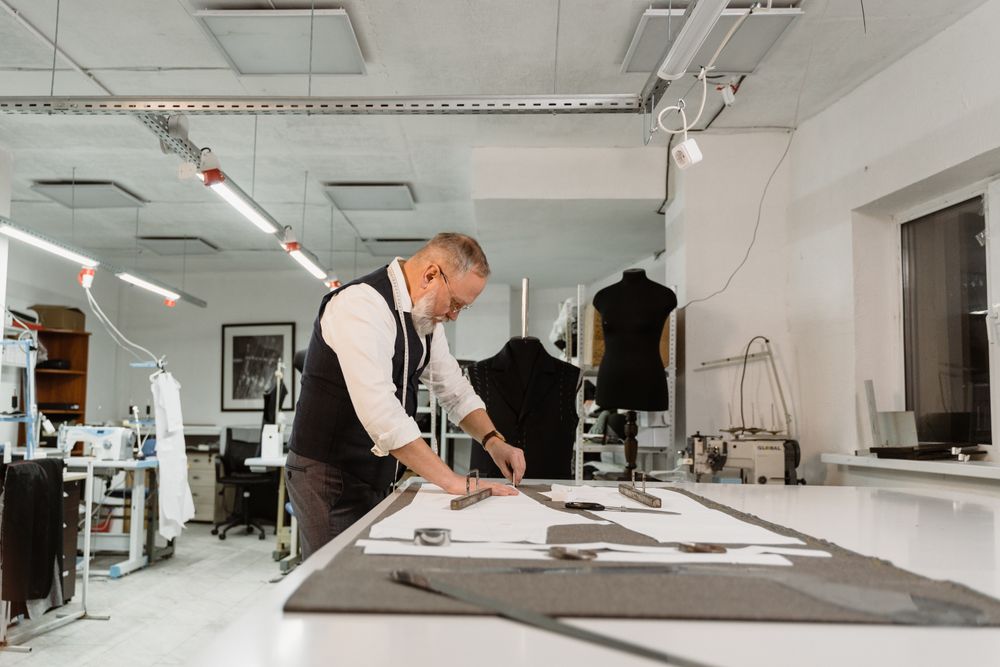
Man getting a suit tailored at local shop

How much does it cost to tailor a suit? a friendly guide to getting the right fit

There’s nothing quite like wearing a suit that fits just right. Whether you’re suiting up for a wedding, a job interview, or finally tailoring that off-the-rack number that’s been hanging in your closet, the question always comes up: how much does it cost to tailor a suit? It’s a fair question. Prices can vary, and so can expectations. Some suits need just a little tweaking, while others require full-on surgery. Below, we’ll break down the details, from basic suit alterations to tailoring a blazer, so you’ll know exactly what to budget for your best look yet. Suit alterations: what do they involve? Suit alterations cover a range of tweaks that help your suit fit you like it was made just for you — even if it wasn’t. The most common fixes include hemming pants, adjusting waistbands, slimming sleeves, taking in the jacket, and shortening the length. Each piece can be altered separately, but it’s the combination that creates a sharp silhouette. Some folks bring in brand-new suits, straight off the rack, while others show up with vintage pieces that need modernizing. Either way, the goal is always the same: comfort, confidence, and style that doesn’t look borrowed. Average cost to tailor a suit Let’s talk numbers. The average cost to tailor a suit falls somewhere between $75 and $200, depending on how much work needs to be done. If your suit fits pretty well and just needs some hemming or sleeve adjustments, you’re probably looking at the lower end of that range. But if your jacket is too boxy, the pants are baggy, or the shoulders need reshaping — well, things can add up. A fully tailored look, with multiple adjustments, tends to land closer to $150 or more. Of course, prices can vary from city to city and tailor to tailor. Some high-end shops charge premium rates, while smaller local places might offer surprisingly fair prices for excellent work. How much does it cost to get a suit tailored? A question we hear all the time: how much does it cost to get a suit tailored? The short answer is, it depends on the suit and your body. A quick sleeve hem might cost $20, while altering the shoulders of a jacket could be closer to $100. A good tailor will walk you through the process, give you a clear estimate, and tell you which alterations are worth doing. You don’t have to do everything — sometimes one or two key adjustments make all the difference. What about the jacket? tailoring a suit jacket or blazer If you’re only adjusting the jacket, the cost shifts a bit. So, how much does it cost to tailor a suit jacket? Most tailors will charge between $40 and $100, depending on the complexity. Adjusting the sides is generally less expensive than altering the shoulders, which is the most intricate and costly change. Now, for those wondering how much does it cost to tailor a blazer, the answer is pretty similar. A blazer, especially if it’s structured or lined, requires precision work. If you’re having the sleeves shortened, the waist brought in, or the length adjusted, expect prices similar to suit jackets — around $60 to $120 on average. Still, when it fits right, it’s worth every penny. How much does a tailor cost? So let’s zoom out for a second. How much does a tailor cost, overall? Tailors usually charge per adjustment, rather than by the hour. For a full suit — jacket and pants — with two or three common alterations, you’re probably looking at $100–$150 total. If you only need one or two tweaks, it might be as little as $30. Some tailors offer package deals for groomsmen or wedding parties. And some larger stores even have in-house services, which can be convenient — but don’t always guarantee the same level of fit as a dedicated tailoring shop. Cost to Tailor a Suit: What Affects the Price? The cost to tailor a suit isn’t set in stone. A few things influence the final price: Fabric type: Silk or linen suits are harder to work with than wool or cotton. Construction: Fused jackets are easier (and cheaper) to alter than fully canvassed ones. Alteration type: Hemming pants is quick. Adjusting shoulders? Not so much. Tailor’s experience: A master tailor will charge more, but their results are often unmatched. So yes, tailoring can get expensive — but you’re paying for skill, time, and the transformation of something off-the-rack into something that looks custom-made. Fix up your favorites at Tailors Couture If you’ve been hesitating to get suit alterations or refresh the fit of a structured blazer, consider this your sign. At Tailors Couture, we believe every garment deserves a second chance — especially those that make you feel confident, polished, and truly yourself. Tailoring isn’t just a technical fix; it’s a transformation. It’s the difference between something that simply fits and something that flatters, empowers, and lasts. Whether you’re working with a brand-new piece or reviving a longtime favorite, the right adjustment can make it feel like it was designed just for you. From subtle nips and tucks to a full re-shaping of your blazer’s silhouette, our team handles every detail with precision and care. Because at Tailors Couture, we don’t just alter clothes — we elevate them.

Read More
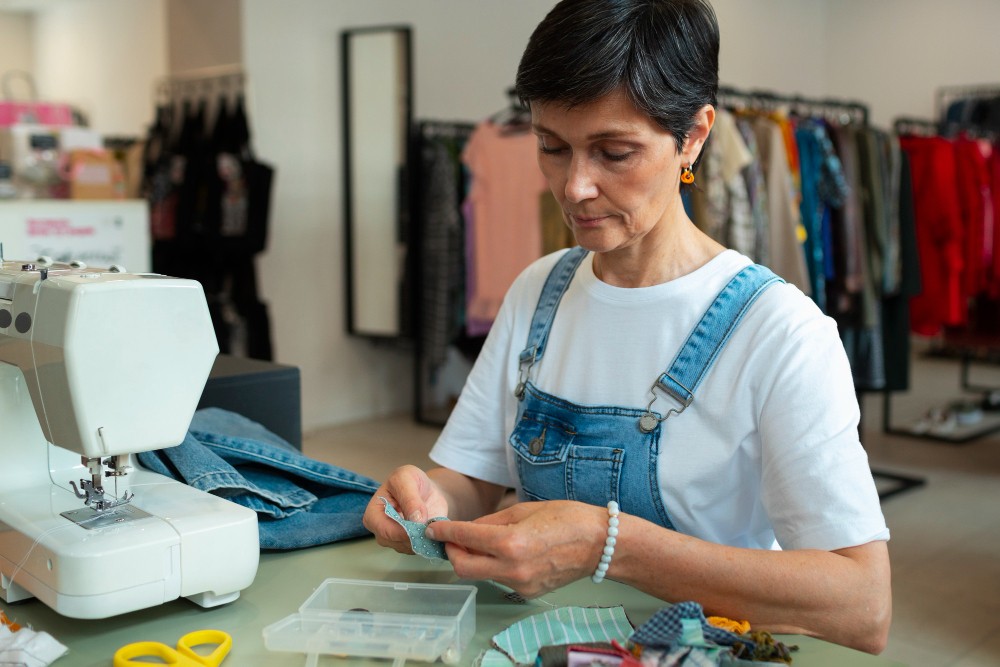
Women repairing moth holes

Repairing moth holes: easy fixes to save your favorite clothes

There’s nothing more frustrating than pulling out your favorite sweater, only to find tiny holes scattered across it. Before you toss it in the donation pile or resign yourself to the loss, know this: repairing moth holes is entirely possible and, in many cases, easier than you think. What causes moth holes? Those mysterious little holes often show up long before we notice any actual moths flying around. The real culprits are the larvae of clothes moths, not the moths themselves. These larvae are drawn to natural fibers like wool, silk, and cashmere because they feed on the keratin in the fabric. If garments are stored for long periods without being cleaned, especially if they contain traces of sweat or food, they become a perfect breeding ground. That’s why moth hole repair often starts with prevention. Knowing how these pests operate is the first step to stopping them. Can moth holes be repaired? Absolutely! Moth hole repair is not only possible, it’s often very satisfying. The method you choose depends on the size of the hole, the fabric involved, and the visibility of the area. For small holes or less delicate fabrics, you can try a quick at-home fix. But for heirloom-quality items or more noticeable spots, you may want to take a more professional route. Either way, don’t assume the damage is permanent, many clothes can be saved. What’s the difference between moth holes and friction holes? Not every hole in your clothing comes from moths. Friction holes, like the ones that appear in the elbows of shirts or the inner thighs of pants, are caused by repeated wear and rubbing. These holes tend to have frayed or stretched edges, while moth holes are usually smaller and more precise, with clean edges that look almost like they were cut out. Knowing the difference can help you choose the right repair method. After all, repairing moth holes in a cashmere sweater isn’t quite the same as patching worn-out jeans. How can you repair moth holes? Start by inspecting the garment under good light to find all the holes, not just the obvious ones. Then gently clean the piece to make sure there are no remaining larvae. Once you’re ready, choose the technique that best suits the material and the size of the hole. The best part of moth hole repair is that it doesn’t require fancy equipment, just a little time, patience, and care. Hand sewing small holes For tiny holes on woven fabrics, simple hand stitching can work wonders. Use a fine needle and a thread that matches the color of the fabric. Carefully pull the edges of the hole together and stitch using tiny, even movements. This technique is perfect for cotton shirts, lightweight wool, or blended fabrics. Hand sewing is one of the most discreet ways of repairing moth holes, and with practice, your stitches will become nearly invisible. Using fusible interfacing or patches If sewing feels intimidating, or if the fabric is fragile, fusible interfacing might be your new best friend. This technique involves using heat (usually from an iron) to bond a lightweight piece of interfacing behind the hole. It stabilizes the area and keeps the hole from getting worse. For thicker garments, like jackets or coats, you might opt for decorative patches. These not only cover the hole but can add character to the piece. It’s a simple, fast form of moth hole repair, and it holds up surprisingly well in daily use. Darning for knits and wool Darning is a more traditional method, but it’s still incredibly useful, especially for knits. You’ll need a darning needle, thread or yarn that matches your garment, and a darning egg or mushroom (though a spoon or lightbulb can work in a pinch). Weave the thread horizontally and vertically over the hole, almost like a mini loom, to recreate the fabric’s structure.  Darning takes a bit more time, but it’s one of the most durable methods for repairing moth holes, particularly in sweaters and socks. When to call a tailor? Sometimes, no matter how many YouTube videos you watch, DIY just won’t cut it. If the garment is delicate, expensive, or the hole is in a very visible area, like the chest or front of a dress, it’s often better to leave it to a professional. Tailors not only have access to specialty tools and techniques, but they can also reinforce the area so it doesn’t unravel again. At Tailors Couture, for instance, we often work on moth hole repairs for clients who want their favorite garments to look flawless again. While many small fixes can be done at home, there’s real value in letting a tailor restore the garment professionally, especially if it holds sentimental or high-dollar value. Knowing when to hand it off is part of making smart wardrobe choices.

Read More
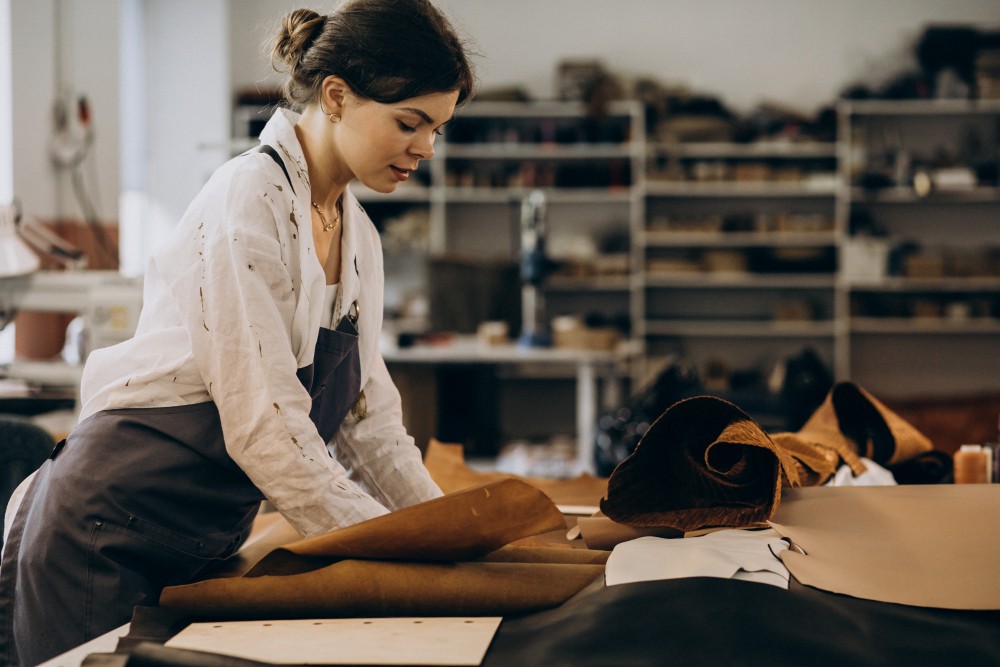
Leather jacket repairs and alterations by specialists.

Leather alterations: transform your leather clothing with precision

Leather holds a certain magic — the texture, the weight, the way it feels like it gets better with time. But even the best pieces sometimes need a little help. Leather alterations are about more than just fixing something that doesn’t fit; they’re about preserving the character of your favorite jacket, coat, or pants. Working with leather requires skill, precision, and a real respect for the material because every adjustment needs to be just right. In this article, we cover everything you need to know about leather alterations—from how to choose the right specialist to what makes leather tailoring different from standard fabric work. Whether you’re adjusting the fit, restoring a beloved piece, or simply giving your leather garment a new life, this guide is here to help you make informed decisions. Common types of leather clothing alterations There’s something special about pulling out a leather piece you’ve loved for years — and realizing it could fit even better today. That’s where leather clothing alterations come in. Whether it’s tailoring a jacket, adjusting a coat, or resizing a pair of pants, the right alteration can make a huge difference without losing the original soul of the piece. Leather jacket alterations A good leather jacket is like an old friend: familiar, comfortable, and a little rugged. But over time, your style (or your size) might change. Leather jacket alterations allow you to tweak the fit around the shoulders, slim down the sleeves, or even shorten the length to give it a sharper look. A simple adjustment can turn a dated jacket into a timeless classic again. Leather coat alterations Longer, heavier, and often more structured, leather coats require their own special attention. Leather coat alterations might include shortening a hem that feels too overwhelming, adjusting sleeve length to better suit your frame, or subtly reshaping the body for a cleaner silhouette. Done right, these tweaks let your coat keep all its warmth and presence — just with a better fit. Leather pants alterations There’s no denying it: leather pants are a bold choice. But getting the perfect fit? That’s non-negotiable. Leather pants alterations can involve taking in the waist, slimming the legs, or adjusting the length so they hit just right at the ankle or over boots. With leather, every stitch matters, and a thoughtful alteration can make your pants feel like they were custom made just for you. Choosing the right specialist for leather alterations Not every tailor is comfortable working with leather — and that’s a good thing. Finding the right expert for your leather alterations means looking for someone who understands how the material behaves, stretches, and even ages. Always ask about their experience, check out examples of their work, and don’t be afraid to ask questions about how they would approach your specific piece. If you’re looking for leather alterations near you, Tailors Couture offers professional leather repair and tailoring services at our location: 23135 Morton Ranch Rd, Suite 170, Katy, TX 77449, US. We serve clients in Katy, Cinco Ranch, Cypress, and all areas surrounding Houston. Our experienced team is equipped to handle leather jackets, pants, skirts, and more, with precision and care. Whether it’s resizing, repairing a tear, replacing zippers, or restoring an older piece, we treat every leather garment with the attention it deserves. Visit us and see why so many trust Tailors Couture for their most delicate and valuable items. FAQs about leather alterations It’s totally normal to have questions before handing over your favorite leather item for alterations. Here are a few of the ones we hear most often: How much do leather alterations cost? The cost of leather alterations can vary a lot depending on the type of garment, the complexity of the changes, and the condition of the leather itself. Simple adjustments, like hemming or tapering, are usually affordable, while more complex repairs or major redesigns might be a bigger investment. Always ask for an estimate up front! Can all types of leather be altered? Most types of leather can be altered, but some are trickier than others. Softer leathers like lambskin are more delicate and require an even lighter touch, while thicker hides like cowhide can handle more robust adjustments. A good specialist will know exactly how to handle different types during leather clothing alterations. Is it better to repair or replace a damaged leather jacket? It depends on the extent of the damage — but in many cases, repairing is the better choice. Especially with a beloved piece, leather jacket alterations and repairs can breathe new life into it without losing the unique character that made you fall in love with it in the first place. Do leather pants alterations affect the original look? When done carefully, leather pants alterations preserve the original look and vibe of your pants. Small tweaks like slimming or hemming are typically invisible to the casual eye. However, larger adjustments may slightly change the way the leather drapes or feels, so it’s important to work with someone who understands how to maintain the garment’s integrity.

Read More
Seamstress alterations requiring multiple fittings

How long do alterations take? a realistic timeline for clothing adjustments

When you’re planning to have clothes tailored—whether it’s hemming a pair of pants, adjusting a blazer, or altering a formal gown—knowing how long the process will take can help you avoid last-minute stress. Alteration timelines can vary depending on the complexity of the work, the type of garment, and the tailor’s current workload. While simple fixes might only take a day or two, more detailed adjustments could require a week or more. Understanding what to expect allows you to plan ahead, especially for special events, uniforms, or seasonal wardrobe updates. In this article, we break down what influences tailoring timelines, from the type of alterations needed to how busy the shop is at the time of your visit. Understanding clothing alterations Getting clothes to fit perfectly often requires some extra work. Clothing alterations can cover a wide range of services, from simple fixes like zipper repair and button replacement to more complex adjustments such as resizing, hemming, or taking in seams. The time needed for clothing alterations depends on the type of fix, the fabric, and the tailor’s schedule. How long do dress alterations take? When you’re altering a dress, especially for special occasions, timing matters. Let’s take a closer look at how long different types of dress alterations usually take. Wedding dress alterations Wedding dress alterations are typically the most detailed and can involve multiple fittings. Adjustments like hemming layers, resizing the bodice, or adding bustles usually require anywhere from 2 to 3 months. Brides should plan for at least three fitting sessions to ensure everything fits perfectly for the big day. Prom dress alterations Prom dress alterations can be a little simpler than bridal work, but they still require attention to detail. Common alterations include hemming, taking in sides, or adjusting straps, and they usually take about 2 to 4 weeks, depending on how busy the shop is during prom season. Bridesmaid dress alterations Bridesmaid dress alterations often involve basic adjustments like hemming, strap adjustments, or slight size modifications. These typically take around 2 to 3 weeks to complete, though more complex changes might need extra time. Bridal alterations Beyond just the wedding dress, bridal alterations can include rehearsal dinner dresses, getting-away outfits, and after-party looks. These alterations might take anywhere from 2 to 6 weeks depending on the complexity and the number of garments being altered. How long do suit alterations take? Suit alterations cover everything from minor tweaks to major reconstructions. Timing can vary, but here’s a rough idea of what to expect. Suit jackets alterations Suit jacket alterations, like shortening sleeves or taking in the sides, usually require 1 to 2 weeks. More intricate changes, such as adjusting shoulders, might extend the timeline to 3 or 4 weeks. Pants for suits Suit pants often need hemming, waist adjustments, or tapering. These fixes usually take around 1 week, but if you’re adjusting both the fit and the length, it might take up to 10 days. Full suit resizing Resizing an entire suit to fit perfectly involves multiple parts—jacket, pants, and sometimes even the vest. This process usually takes 2 to 4 weeks, depending on the extent of the work and the fabric. How long do pants alterations take? Pants alterations are among the quickest services tailors offer. Simple hemming can often be done within a few days, sometimes even with same-day service if needed. Waist adjustments, seat adjustments, or tapering legs generally take about 5 to 7 days. If the pants have special linings or intricate designs, it might stretch to about 10 days. How long do military uniform alterations take? Military uniforms must meet specific standards, so alterations require precision. Common services include hemming pants, taking in jackets, sewing on patches, and adjusting sleeves. Depending on the workload and the detail required, military uniform alterations can take anywhere from 1 to 3 weeks. It’s a good idea to start early if you have a tight deadline, especially during peak seasons like graduation or promotion times. FAQs about alterations timing Before you drop off your clothes, you might be wondering how long you’ll be without them. Here are some of the most common questions we hear about alteration timelines. Can alterations be done in a rush? Yes, many tailors offer rush services for an extra fee. Minor alterations like hemming or button replacements might even be done within 24 to 48 hours. Always call ahead to check availability. At Tailors Couture, we proudly offer same-day services for select alterations, depending on the complexity and our current availability. Always call ahead or stop by early to check if your item qualifies for same-day turnaround. Why do wedding dress alterations take so long? Wedding dress alterations involve detailed work across multiple layers of fabric, lace, or embellishments. They also usually include several fittings to fine-tune the dress to your exact body shape, which naturally stretches out the timeline over several weeks. How far in advance should I plan for clothing alterations? It’s best to start at least 4 to 8 weeks before you need the garment, especially for formalwear. Even simpler jobs should allow a buffer of at least 1 to 2 weeks in case additional adjustments are needed after the first fitting. Do military uniform alterations take longer than civilian clothing? Not necessarily, but they require adherence to strict regulations, which can sometimes mean a little extra time for precision work. If you need uniform alterations for an event or inspection, it’s smart to allow at least 2 weeks.

Read More
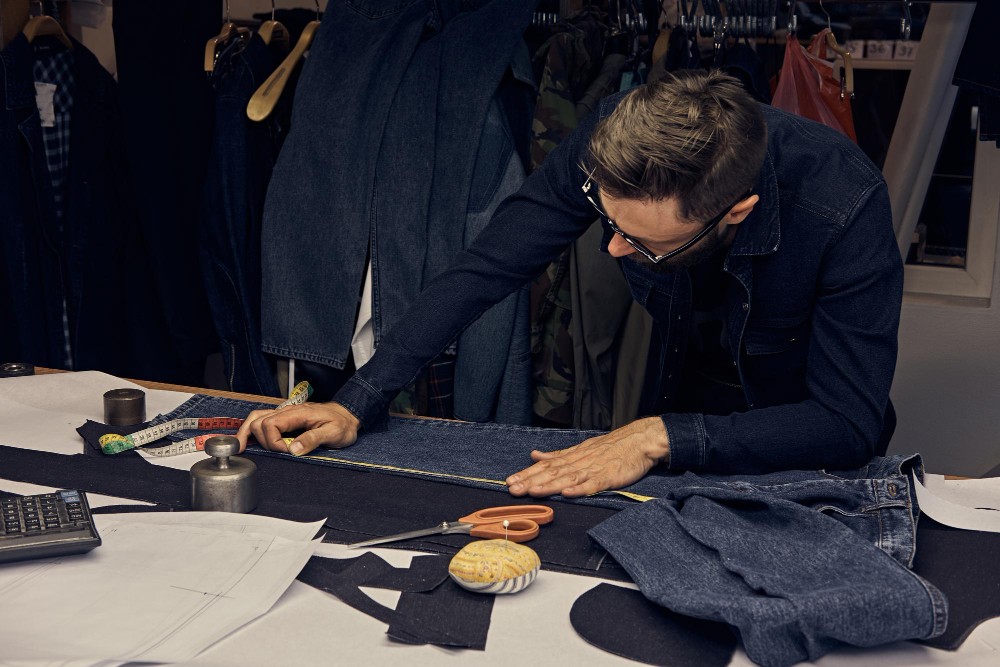
Tailor performing inseam alteration on jeans

How to measure inseam: a step-by-step guide

Finding the perfect pair of pants often starts with knowing your measurements, and inseam is one of the most important. Learning how to measure inseam correctly can save you from countless trips to the tailor or disappointing online purchases. It’s easier than you think, and once you get the hang of it, you’ll wonder why you didn’t do it sooner. In this article, we explain how to measure your inseam correctly, why it matters when shopping for pants, and tips to ensure a consistently accurate fit every time. Whether you’re buying jeans, dress pants, or athletic wear, understanding your inseam can make all the difference in how confident and comfortable you feel in your clothes. What is inseam measurement? The inseam measurement tells you the distance from the crotch of your pants down to the bottom hem. It’s that simple, but it makes a massive difference in how your pants fit. Whether you’re picking out jeans, chinos, or formal trousers, knowing your inseam measurement can be the key to feeling confident and comfortable. Without it, pants might puddle at your shoes or cut awkwardly above your ankle — and no one wants that. How to measure your inseam? Measuring your inseam at home doesn’t require fancy tools or a tailoring degree. Here’s a quick guide: Gather your tools: you’ll need a flexible measuring tape and a pair of well-fitting pants. Wear appropriate clothing: put on the pants that fit you well, or stand barefoot for a direct measurement. Position the measuring tape: place the tape at the crotch seam, where the two legs of the pants meet. Measure down the leg: run the tape down the inside of the leg to the bottom of the ankle. Record the measurement: note the length in inches or centimeters, depending on your preference. If you can, ask a friend to help you measure while you’re wearing the pants for even more accuracy. Trust us, it’s way easier than trying to do yoga poses with a measuring tape! Inseam alteration: adjusting for the perfect fit If your pants are too long or too short, inseam alterations can help achieve the desired length:​ Shortening the inseam: a tailor can hem the pants to the appropriate length, ensuring the fabric doesn’t drag on the ground. Lengthening the inseam: if there’s extra fabric in the hem, a tailor might be able to extend the length slightly.​ Professional alterations ensure that the pants maintain their original design, proportions, and finish—while fitting your body perfectly. If you’re looking for expert inseam adjustments, Tailors Couture offers precise and reliable tailoring services at 23135 Morton Ranch Rd, Suite 170, Katy, TX 77449, US. We proudly serve Katy, Cinco Ranch, Cypress, and surrounding Houston areas, providing custom alterations that help your clothes fit as though they were made just for you. FAQs about inseam measurement and alteration Inseam measurements can feel a bit confusing at first, especially if you’re new to adjusting your clothes for a better fit. Whether you’re trying to figure out how to measure your inseam at home or wondering if inseam alteration is worth it, here are some of the most common questions we hear — answered in a way that’s easy to understand. Can I measure my inseam without a measuring tape? Absolutely! While a measuring tape provides the most accurate results, you can still get a good measurement using everyday items. Take a piece of string, yarn, or even a long shoelace. Hold it from the crotch seam of your pants down to the bottom hem, just like you would with a measuring tape. Then lay the string flat against a ruler or yardstick to find your inseam measurement. It’s a handy trick if you’re at home and don’t have sewing tools lying around. Do inseam measurements vary between different types of pants? Inseam measurements can definitely vary depending on the style of pants. For example, jeans often have a slightly shorter inseam than dress pants, creating a more casual break over the shoe. Meanwhile, joggers and cropped trousers are intentionally designed to have a much shorter inseam. That’s why measuring your inseam for each specific style — and even adjusting it through inseam alteration — can make such a difference in how polished or relaxed your outfit looks. How do I know if I need an inseam alteration? There are a few signs that might tell you it’s time for an inseam alteration. If your pants bunch up excessively at your ankles, or if they seem to hover awkwardly above your shoes, your inseam length probably isn’t quite right. Sometimes you’ll also notice the back of your pants dragging on the ground — another giveaway that an adjustment is needed. A quick inseam alteration by a professional can dramatically improve the overall fit and appearance of your pants, making them look tailor-made for you. Is it possible to alter the inseam on all types of pants? Most pants can be altered, but it largely depends on the construction and material. Denim, wool, cotton, and polyester pants are usually no problem for an experienced tailor. However, delicate fabrics like silk or heavily detailed designs might present more challenges. Stretchy fabrics also require a little extra care during inseam alteration to maintain the garment’s shape and comfort. It’s always a good idea to bring your pants to a professional who can evaluate them and suggest the best approach. How much does an inseam alteration typically cost? The cost varies based on the tailor and the complexity of the alteration, but it generally ranges from $10 to $30.

Read More
Scroll to Top

Our Gift To You

Claim Your 10% Off Coupon!

Sign up today to claim your exclusive discount on any of our expert tailoring and alteration services.