Tailors Couture Blog

Amazing articles about clothing

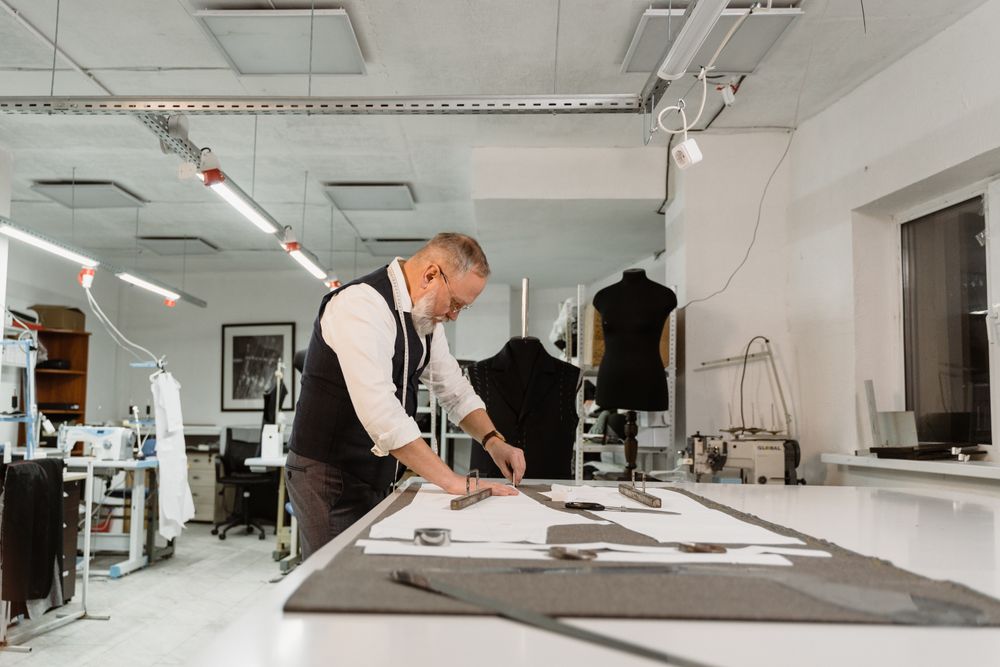
Tailor marking alterations on a dress

Where to get clothes tailored? Tips for choosing the right tailor near you

Finding the perfect fit isn’t always as simple as buying off-the-rack clothing. Even the best garments often need a few adjustments to truly complement your body shape and style. If you’re wondering where to get clothes tailored, you’re already on the right track toward building a wardrobe that feels custom-made for you. Tailoring is an art that blends precision, technique, and an understanding of individual needs. Choosing the right professional can enhance the way you look and feel in your clothes, whether you’re updating a favorite pair of jeans, refining a business suit, or perfecting a dress for a special occasion. In this guide, we’ll cover everything you need to know about where to get clothes tailored. We’ll explore how to find experienced tailors near you, what factors to consider before trusting someone with your garments, typical tailoring services you can request, and tips to ensure you get the best possible results. How to choose the right tailor for you? Finding a good tailor can feel a bit overwhelming, especially if it’s your first time needing alterations. When you’re looking for a place to get your clothes tailored, it’s important to focus on both skill and communication. A great tailor doesn’t just follow instructions—they understand your style, your body type, and how to bring out the best fit in every garment. Start by checking local reviews, asking for recommendations, and even visiting shops to get a feel for their work. Don’t hesitate to bring in a less expensive item first—it’s a smart way to see how they handle the fabric and adjustments. Knowing where to get your clothes tailored makes all the difference, and once you find someone you trust, you’ll never have to second-guess it again. At Tailors Couture, we combine expert craftsmanship with a deep understanding of personal style and fit. Whether it’s your first time needing alterations or you’re looking for a tailor you can rely on long-term, we’re here to make sure every garment feels made just for you. Online tailoring services: are they worth it? In a world where you can order dinner, groceries, and even a new wardrobe online, it’s no surprise that tailoring services have followed suit. Many online tailors send you a measuring kit, request detailed photos, or ask you to mail in your clothes for alterations. It’s a convenient option—especially if you’re short on time or don’t have access to a trusted tailor nearby. Still, to get your clothes tailored with real precision, it’s often better to opt for the hands-on experience of an in-person fitting. Tailoring is all about the details, and even small measurement differences can affect how a garment fits and feels. Being able to try it on, get it pinned in real time, and see the adjustments take shape usually delivers better results—especially for more complex alterations. That said, online tailoring services can work well for simpler fixes like hemming or waist adjustments. Ultimately, it depends on the type of work you need and how comfortable you are managing the process remotely. What to expect at your first tailor appointment Walking into a tailor shop for the first time can feel a little intimidating—but it shouldn’t be. Most appointments are casual, collaborative, and focused entirely on helping you get the best fit possible. If you’re looking to get clothes tailored, your first visit usually starts with a quick conversation about how you want the garment to fit and feel. Make sure to bring the shoes and undergarments you plan to wear with it—these small details can affect the final fit more than you might expect. You’ll try the piece on, and the tailor will assess the way it fits, pin where necessary, and suggest adjustments based on how the fabric moves with your body. Good communication is key. Don’t be shy about mentioning what feels too tight, too loose, or what you’re aiming for in the final look. This is your chance to shape your wardrobe exactly how you like it. Questions to ask your tailor before starting Before you hand over your garments to a tailor, it’s important to ask the right questions to ensure you get exactly what you need. Start by asking about their experience—particularly with the type of clothing you need tailored. For example, if it’s a military uniform, a formal suit, or a dress with intricate details, make sure they’re familiar with that kind of work. You should also ask about turnaround times, whether they offer rush services, and what kind of alterations are possible with your specific garment. Don’t hesitate to inquire about pricing estimates, whether fittings are included, and how many follow-up visits might be necessary. A good tailor will always welcome your questions and offer guidance on the best way to achieve a perfect fit. Where to get your clothes tailored near you? If you’re looking for expert tailoring services near you, Tailors Couture is your go-to destination. We are located at 23135 Morton Ranch Rd, Suite 170, Katy, TX 77449, US, and proudly serve the surrounding areas, including Katy, Cinco Ranch, Cypress, and all nearby communities around Houston. Whether you need minor adjustments or full garment alterations, our team is skilled in a wide range of tailoring services. At Tailors Couture, we prioritize precision, comfort, and your personal style, ensuring that every piece of clothing fits you flawlessly. Walk-ins are welcome, or feel free to schedule an appointment to discuss your needs in more detail. FAQs: getting clothes tailored Now that we’ve explained where to get your clothes tailored, here’s everything else you might want to know before getting started. Below, we’ve answered some of the most common questions people have when considering tailoring services, from costs and timelines to what you should bring along for your appointment.  Where can I find a good tailor near me? A great tailor isn’t just someone who can sew—it’s someone who understands fit, body shape, fabric behavior, and personal style. If you’re located in or near Katy, TX, your best
Read More
Bride during a wedding dress fitting appointment.

Wedding dress fitting FAQs: everything you need to know

Preparing for your wedding dress fitting is one of the most exciting parts of wedding planning. However, it can also bring up a lot of questions, especially if it’s your first time going through the process. Here, we answer the most common questions about wedding dress fittings so you can feel prepared and confident. How many wedding dress fittings do you need? Most brides require two to three fittings to achieve the ideal fit. The first fitting usually happens about two to three months before the wedding, with additional fittings scheduled as needed. Minor adjustments can be made closer to the wedding date to ensure a perfect look. To guarantee your dress fits flawlessly, it’s important to plan your fittings in advance. At Tailors Couture, our expert seamstresses provide personalized alterations to make sure every detail is just right. Book your appointment today to ensure your wedding dress is tailored to perfection for your big day! What to wear to a wedding dress fitting To get the most accurate fit, wear the undergarments and shoes you plan to wear on your wedding day. These items significantly impact how the dress sits on your body, the overall silhouette, and how the hemline should be adjusted. Shapewear, strapless bras, or seamless underwear can change how snugly the dress fits and whether additional alterations are necessary. Wearing the same shoes you’ll have on your wedding day ensures that the hem is tailored to the correct length, preventing any tripping hazards or unexpected alterations later. If you haven’t chosen your exact wedding shoes yet, bring a pair with a similar heel height to avoid discrepancies. What to bring to your wedding dress fitting Bringing the right items to your appointment can make a big difference. Here’s what you should have: Wedding shoes – Ensures the hem is tailored to the right length. Undergarments – Wear shapewear, a strapless bra, or any specific lingerie you’ll use on the day. Accessories – If you have a veil or jewelry, bring them to see the full look. A trusted friend or family member – Having a second opinion can be helpful but keep the group small. Bringing these essentials ensures a smoother fitting experience and helps you feel confident about your dress. The more prepared you are, the easier it will be to make necessary adjustments and achieve the perfect bridal look for your big day. How long does a wedding dress fitting take? Each fitting typically lasts between 30 and 60 minutes, depending on the complexity of the alterations required. Simple adjustments, like taking in the bodice or hemming the dress, may be completed more quickly, whereas intricate modifications—such as restructuring the neckline, adding sleeves, or modifying lace appliqués—can take longer. If your dress requires significant changes, you may need multiple fittings spread out over several weeks to ensure a flawless fit. It’s best to schedule your first fitting well in advance to allow enough time for necessary tweaks and to avoid last-minute stress. When to schedule wedding dress alterations Plan to schedule your first fitting two to three months before your wedding, giving enough time for adjustments. The final fitting usually happens one to two weeks before the big day to ensure everything is perfect. For expert wedding dress alterations tailored to your unique needs, trust Tailors Couture. Our skilled seamstresses specialize in ensuring the perfect fit, from minor adjustments to intricate customizations. Can I bring someone to my fitting? Absolutely! Bringing someone to your wedding dress fitting can be a wonderful idea. A trusted friend or family member can provide emotional support, help you feel more at ease, and offer a second opinion when you’re making decisions about alterations or styling. Many brides bring their mother, sister, maid of honor, or another close confidant to share in the experience. However, it’s important to keep the group small. While it might be tempting to invite everyone who’s excited about your wedding, too many opinions can quickly become overwhelming. What matters most is how you feel in your dress. A smaller, supportive group can help you stay focused on your vision and ensure the fitting remains a positive and stress-free experience. Can a wedding dress be taken in or let out? Yes, most wedding dresses can be taken in or let out by one or two sizes, depending on the seam allowances. A professional seamstress can advise on what adjustments are possible based on your dress’s construction. How much do wedding dress alterations cost? Alteration costs vary depending on the complexity of the adjustments but generally range between $150 and $700. Simple modifications, such as hemming the dress, adjusting straps, or taking in the bodice, tend to fall on the lower end of the price range. However, more intricate alterations—such as adding lace appliqués, beading, or restructuring the neckline—can significantly increase the cost due to the time and skill required. Factors that affect pricing include the dress’s fabric, embellishments, and the extent of the changes needed. Delicate materials like silk, lace, or heavily beaded gowns require more precision, often leading to higher costs. Additionally, if you need extensive structural changes, such as resizing the gown, modifying the train, or incorporating custom elements, you should budget accordingly. To get a precise estimate, it’s best to consult with a professional tailor. At Tailors Couture, we provide expert wedding dress alterations tailored to your needs. Schedule a consultation today to ensure your gown fits flawlessly for your big day. How long should a wedding dress be? The ideal hem length for a wedding dress should gently graze the floor when you’re wearing your wedding shoes, ensuring you can walk comfortably without stepping on the fabric. A hem that is too long can pose a tripping hazard, while one that is too short may look awkward in photos. If your dress has a train, your seamstress will help determine the best length based on your venue, personal preference, and bustle style. Some brides opt for a slight lift in the front

Read More
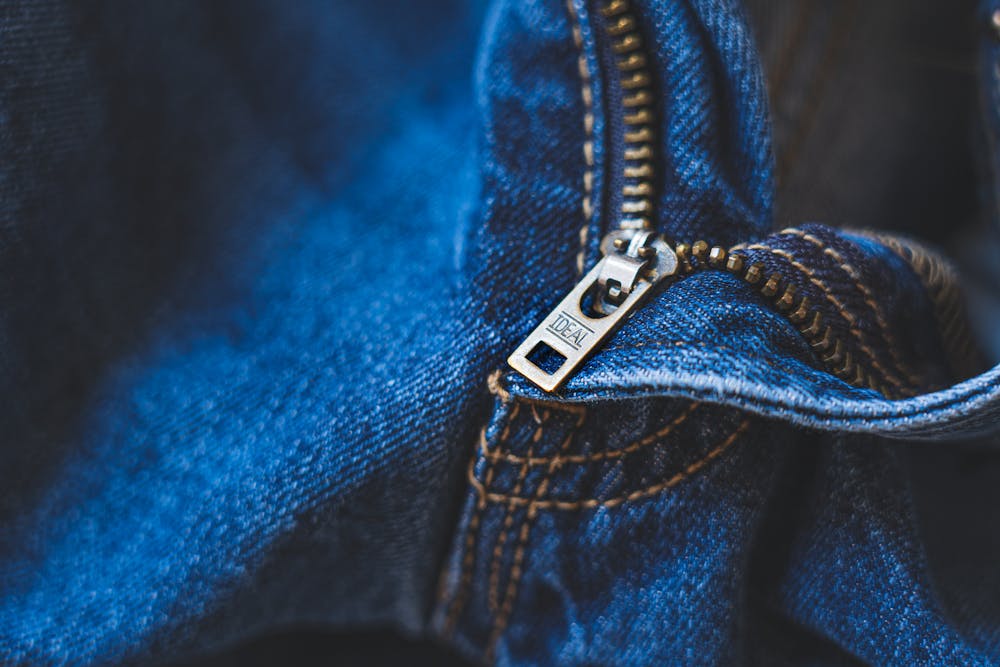
How to hem jeans while keeping the original hem intact.

Discover how to hem jeans with Tailors Couture

One of the most practical skills you can learn is how to hem jeans. Whether you’re tailoring a pair of vintage denim or adjusting the length of your favorite pants, mastering the art of hemming pants can save you time and money. Hemming your jeans doesn’t have to be intimidating. With a few simple tools and a bit of patience, you can achieve a professional-looking finish right at home. Start by measuring the desired length, then fold and pin the fabric to create a clean edge. Sewing the hem is the final step, and once you’re done, you’ll have a pair of jeans that fit perfectly. Learning how to hem jeans is not only a useful skill but also a sustainable way to extend the life of your clothing. Instead of tossing out pants that are too long, you can give them a second life by hemming pants to your exact specifications. So, grab your sewing kit and get ready to transform your denim collection! What is a hem? A hem is the finished edge of a piece of fabric, typically created by folding the raw edge under and sewing it in place to prevent fraying and to provide a clean, polished look. In the context of jeans, the hem is the bottom edge of the pant legs, which often features distinctive stitching and sometimes intentional distressing that contributes to the overall aesthetic of the garment. What is an original hem alteration? An original hem alteration, sometimes referred to as a European hem, is a technique that allows you to shorten your jeans while retaining the original hem. This method involves detaching the original hem, trimming the excess fabric, and then reattaching the hem to the shortened leg. By choosing to hem jeans with the original hem, you ensure that the unique characteristics—such as distressing, stitching patterns, and color variations—remain intact. This approach not only makes the jeans hem look original but also preserves the designer’s intended aesthetic. At Tailors Couture, we specialize in original hem alterations, ensuring your jeans maintain their authentic look while fitting you perfectly. Our expert team is dedicated to providing high-quality hemming services tailored to your unique style and comfort. Methods for hemming jeans Hemming jeans can be done using various techniques, each offering a unique result depending on your needs. The most common methods include traditional cut and resew, hemming jeans with the original hem, and no-cut hemming. The approach you choose depends on factors such as how much length needs to be removed, the type of denim, and whether you want to maintain the jeans’ original characteristics. If you’re shortening jeans with the original hem, you can ensure they look as if they were never altered. However, for a more standard approach, cutting and resewing might be a better choice. Traditional cut and resew The traditional method for hemming jeans involves cutting off excess fabric and sewing a new hem. This process results in a standard hem, which is a clean, finished edge that mimics the factory hem but does not retain the original distressing or stitching. While effective, this method may slightly alter the jeans’ appearance, especially if they have special fading or decorative stitching near the original hem. However, for those looking for a quick and simple solution, a standard hem provides a professional finish that blends well with most styles. Hemming jeans with the original hem For those who want to maintain the authenticity of their jeans, hemming with the original hem is the best option. This technique preserves the original hem on jeans by carefully detaching it, removing excess fabric, and reattaching the original hem at the new length. The result is a seamless alteration that retains the manufacturer’s design, including any distressing, stitching, or fading that contributes to the jeans’ unique character. This method requires precision and skill, making it a preferred service at professional tailoring shops like Tailors Couture. No-cut hemming No-cut hemming is a great solution for people who want to temporarily shorten their jeans without permanently altering them. This method is particularly useful for those who wear their jeans with different types of shoes, such as heels or sneakers, and need the flexibility to adjust the length. Hemming jeans without cutting involves folding the fabric inside and securing it with stitches that can later be removed. This approach works best with non-stretch denim and is a popular choice for those who want a temporary or reversible solution. Types of hems for jeans Different jean hem styles can drastically affect the look and feel of your denim. While the hemming method determines how jeans are shortened, the hem style influences their overall appearance. The most common styles include the blind hem, cover-stitched hem, basic hem, and rolled hem. Each has its own advantages, whether you’re looking for an invisible finish, a factory-like appearance, or a casual rolled-up edge. Blind hem A blind hem is a nearly invisible hemming method that uses small, discreet stitches to create a clean finish. This technique is ideal for those who want to shorten their jeans without visible stitching on the outside. If you’re wondering, can a tailor hem jeans using this method? The answer is yes! However, this approach is less common for denim, as most jeans feature visible topstitching. Still, for dressier or formal-style jeans, a blind hem can provide a polished, unnoticeable alteration. Cover stitched hem A cover-stitched hem mimics the original factory stitching found on many jeans. This method requires a specialized sewing machine that creates two parallel lines of stitches on the outside and a looped finish on the inside. While it offers a professional look, it is often best left to experienced tailors who have the right equipment. Basic hem A basic hem is the simplest way to shorten jeans. This method involves cutting the jeans to the desired length, folding the fabric, and sewing a straight stitch along the edge. While it is quick and easy, it does not replicate the original factory

Read More
Professional tailor making big clothes smaller

How to make clothes smaller: a guide to tailoring and alterations

We’ve all been there—you find the perfect piece of clothing, but it’s just a little too big. Whether it’s a vintage dress that fits everywhere except the waist, a pair of jeans that gape at the back, or a blazer that looks great but feels boxy, getting the right fit can make all the difference. If you’ve ever wondered how to make clothes smaller, there are several ways to adjust garments to fit your body better. Some methods involve professional tailoring, while others can be done at home. In this guide, we’ll explore different techniques to help you resize your clothes, whether you prefer sewing alterations or no-sew solutions like shrinking fabrics in the washer. At our alterations shop, we specialize in making clothes fit like they were made just for you. Whether you need a small adjustment or a complete reshaping, there’s always a solution to make your favorite clothes smaller while maintaining their original look and structure. Methods for Making Clothes Smaller There are many ways to make oversized clothes fit better, depending on the type of garment, fabric, and how much adjustment is needed. Some methods involve sewing, while others use heat or accessories to create a snugger fit. If you’re looking for a long-term solution, professional tailoring is the most effective way to make big clothes smaller while maintaining their structure. However, if you need a quick fix, some DIY tricks can temporarily adjust the fit of your garments. In this section, we’ll explore different sewing techniques to make your clothes smaller, such as taking in seams, shortening, and hemming for a better fit. Taking in seams One of the most common ways to resize clothing is by taking in the seams. This method works well for dresses, shirts, pants, and jackets. A tailor can carefully adjust the side seams to create a slimmer fit without distorting the garment’s design. When done professionally, this alteration is nearly invisible, preserving the original construction of the piece. Darting and shaping Darts are a tailor’s secret weapon for refining the shape of a garment. If a blouse, dress, or jacket feels too loose in certain areas, adding darts can help contour the fabric to your body. This technique is especially useful for achieving a flattering fit in the waist or bust without changing the overall structure of the garment. Shortening and hemming Sometimes, the length of a garment makes it feel oversized. Hemming is a simple yet effective way to make pants, skirts, or dresses feel more tailored to your proportions. For jeans, professional alterations can preserve the original hem, so they maintain their factory finish even after being shortened. Adding Elastic or Drawstrings For a more flexible fit, adding elastic or a drawstring can be a great option. This works particularly well for pants and skirts that are slightly too large in the waist. Instead of permanently taking in fabric, an elastic band allows for some adjustability, making the garment more comfortable and practical. Adjustments by garment type Not all garments require the same type of alteration. While some can be easily taken in at the seams, others need more precise tailoring to maintain their original structure and fit. Understanding the best way to make your clothes smaller ensures that the adjustments look natural and enhance the overall shape of the garment. Some fabrics allow for simple modifications, like hemming or darting, while others require more advanced techniques to make big clothes smaller without affecting their design. Below, we explore the best approaches for different types of clothing. Dresses and skirts Dresses often require alterations in the bust, waist, or hips. A skilled tailor can take in the seams or add darts to enhance the fit without affecting the overall style. If a dress or skirt is too long, hemming is a great way to achieve the perfect length while keeping the original design intact. Pants and jeans A common issue with pants is a loose waistband. Taking in the waist can transform how a pair of jeans or trousers fit. Tapering the legs is another popular alteration, especially for creating a more modern, slim-cut silhouette. Shirts and blouses If a shirt or blouse feels too boxy, adjusting the side seams and sleeves can make a huge difference. Tailoring can create a more structured look without making the garment feel tight or uncomfortable. Jackets and blazers A well-fitted blazer or jacket can elevate any outfit. If a jacket feels too big, a tailor can take in the sides, adjust the shoulders, or shorten the sleeves for a sharper, more polished appearance. How to make clothes smaller without sewing Not everyone has a sewing machine or the skills to make precise alterations. Luckily, if you want to make clothes smaller without sewing, there are a few methods to consider: Fabric tape or safety pins: for temporary adjustments, double-sided fabric tape or small safety pins can help secure excess fabric in place. Belts or sashes: a simple belt can instantly make a loose dress or oversized shirt look more fitted. Knotting or tying: tying the ends of a loose shirt or dress at the waist can create a more tailored look without any alterations. While these solutions can work in a pinch, they don’t offer a permanent fix. For long-term results, professional tailoring is still the best option. How to make clothes smaller in the washer If you’re looking for a no-sew solution, you may be wondering how to make clothes smaller in the washer. While not all fabrics respond well to this method, materials like cotton and wool can shrink when exposed to heat and water, making them a good option for a quick size adjustment. Here’s how to do it effectively: Use hot water: washing garments in hot water encourages shrinkage, especially in natural fibers. High heat drying: after washing, place the clothing in the dryer on a high heat setting to further reduce its size. Check and repeat if needed: some fabrics may require multiple wash

Read More
Seamstress adjusting a wedding dress for the perfect fit.

How long do wedding dress alterations take?

A wedding dress is one of the most important outfits a bride will ever wear, and achieving the perfect fit often requires alterations. Whether it’s a simple hem adjustment or intricate modifications, alterations ensure that the gown complements your body shape and enhances your overall bridal look. But how long do wedding dress alterations take? The timeline varies based on factors like the complexity of the changes, the number of fittings, and seamstress availability. Planning ahead is crucial to avoid last-minute stress and ensure that your dress is tailored to perfection before the big day. This article explains how long wedding dress alterations take, outlining key factors that affect the timeline. By understanding the process, brides can plan ahead and ensure their dress is ready well before the big day. Factors that influence wedding dress alteration timelines Wedding dress alterations ensure the perfect fit, but the timeline varies based on several factors. The complexity of modifications, the number of fittings, and seamstress availability all play a role. Below, we break down the key aspects that influence how long the alteration process takes and how to plan accordingly. Type and complexity of alterations The scope of the alterations greatly impacts the time required. Simple modifications, like hemming the length or adjusting straps, can often be completed within a few weeks. However, more complex changes—such as resizing the bodice, adding lace appliqués, or restructuring a dress with intricate beading—can take significantly longer. If a dress needs major alterations, including adding sleeves or redesigning parts of the gown, expect the process to take at least two to three months. The wedding timeline One of the most common questions brides ask is: “When should I get my wedding dress altered?” Experts recommend starting the wedding dress alteration process at least two to three months before the wedding to allow enough time for multiple fittings and final adjustments. If your dress only requires minimal tailoring, you may be able to start closer to six weeks before the wedding, but this comes with a higher risk of rushed work and limited seamstress availability. For brides who purchase their gown close to the wedding date, rush alterations may be possible, but they often incur additional fees. To avoid last-minute stress, it’s best to schedule your alteration appointments as soon as your dress arrives. Number of fittings required Most wedding dresses require at least three fittings to ensure a flawless fit: First fitting (2–3 months before the wedding) – The tailor assesses the gown and makes initial adjustments. Second fitting (4–6 weeks before the wedding) – Refinements are made to ensure a better fit. Final fitting (1–2 weeks before the wedding) – Final adjustments and finishing touches to guarantee a perfect fit. Additional fittings may be needed for major alterations, so keeping this in mind helps avoid last-minute surprises. Season and seamstress availability Spring and summer are peak wedding seasons, meaning alteration services are in high demand. Seamstresses may have limited availability during these months, so booking your appointments early is essential to secure a spot. If your wedding is in the fall or winter—when fewer weddings take place—you might have more flexibility in scheduling. However, it’s always best to check with your tailor to confirm turnaround times and avoid any last-minute stress. Customizations and fabric considerations The type of fabric and any additional embellishments can also influence alteration timelines. Delicate materials like lace, silk, and chiffon require careful handling and can take longer to alter compared to structured fabrics. Dresses with beading, embroidery, or multi-layered skirts often need hand-sewn adjustments, extending the overall alteration period. If you’re requesting custom additions, such as lace appliqués or intricate detailing, make sure to allow extra time for these modifications. General timeline for wedding dress alterations While every dress is different, here’s a general guideline for how long alterations typically take: Type of alteration Estimated time frame Simple hem adjustment 1–2 weeks Taking in/out the bodice 2–4 weeks Adjusting sleeves/straps 2–3 weeks Adding embellishments 4–6 weeks Major alterations (restructuring, adding sleeves) 2–3 months If you need last-minute alterations, Tailors Couture offers expert rush services to ensure your dress fits flawlessly in time for your big day. Our skilled seamstresses specialize in precision tailoring, delivering high-quality adjustments even on a tight schedule. Visit us at 23135 Morton Ranch Rd, Suite 170, Katy, TX 77449, US, and let us handle your urgent wedding dress alterations with expert care. Book your rush service today! When should I get my wedding dress altered? Timing is crucial when it comes to wedding dress alterations, as starting too late can lead to unnecessary stress, while beginning too early may require additional adjustments. The ideal time to schedule your first fitting is two to three months before the wedding, allowing enough time for multiple fittings and any necessary modifications. If your gown requires only minimal alterations, you may be able to start six to eight weeks before the wedding, but this comes with the risk of limited seamstress availability. Brides who experience weight fluctuations or anticipate needing significant changes should plan accordingly and consult their tailor early. Booking your alterations as soon as your dress arrives ensures a smooth process and guarantees that your gown fits flawlessly on your big day. Tips for a smooth wedding dress alteration process Ensuring a seamless wedding dress alteration process starts with proper planning and attention to detail. Below are key tips to help you achieve the perfect fit and avoid last-minute stress. Schedule alterations as early as possible: book your first fitting 2–3 months before the wedding. Bring the right accessories: wear the shoes and undergarments you’ll use on the wedding day for accurate measurements. Communicate your vision clearly: if you have specific requests, bring photos or examples to help the tailor understand your desired fit. Consider weight fluctuations: if you plan on losing or gaining weight, discuss a timeline with your seamstress to avoid excessive last-minute alterations. Following these steps will make your wedding dress alterations smoother and more

Read More
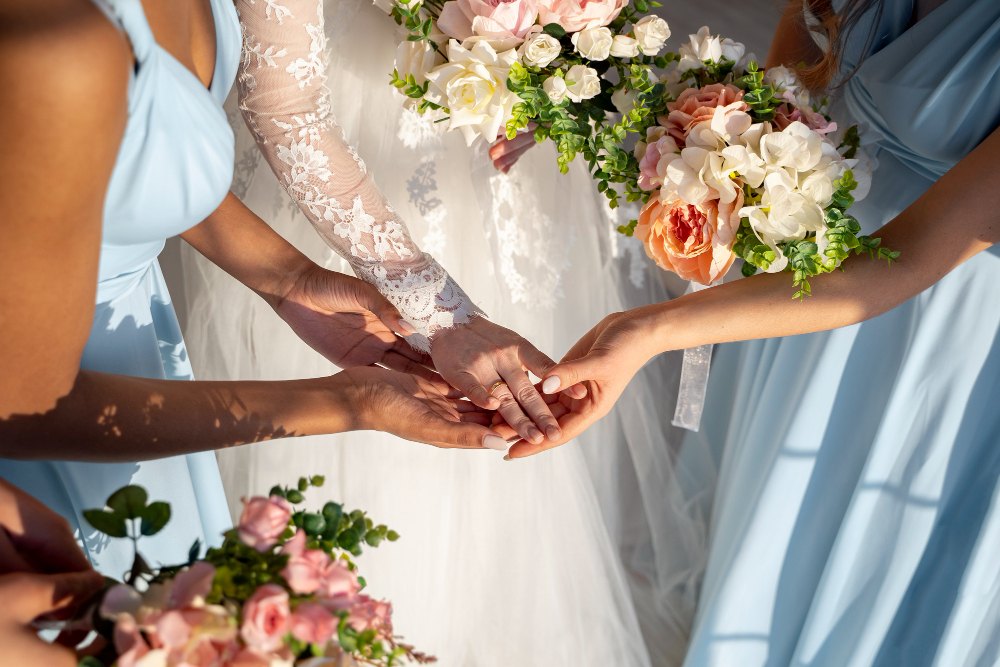
Bride showing her wedding ring with bridesmaids in light blue dresses holding floral bouquets.

What to wear to a spring wedding without breaking the dress code

Spring weddings have long been cherished for their enchanting blend of natural beauty, romantic ambiance, and the promise of new beginnings. As the world awakens from winter’s slumber, couples find this season ideal for celebrating their love amidst blooming landscapes and gentle breezes. This article delves into the allure of spring weddings, offers practical advice on attire and alterations, and aims to inspire both couples and guests for a seamless and stylish spring wedding experience. Why choose a spring wedding? There’s something magical about a spring wedding. As nature awakens, flowers bloom, and the air fills with warmth, the season creates a naturally romantic setting. Gardens and vineyards come to life, offering breathtaking backdrops with minimal effort. The mild temperatures make outdoor ceremonies comfortable, free from summer’s heat or winter’s chill, allowing couples to celebrate under clear skies and golden sunsets. Spring also brings the freshest flowers—peonies, tulips, and cherry blossoms—adding effortless beauty while often being more affordable. Fashion follows suit, with light fabrics and soft colors enhancing the season’s charm. Longer daylight hours mean more time for golden-hour photos, capturing the magic of the moment. Beyond aesthetics, spring symbolizes renewal and new beginnings, making it the perfect season to start a lifelong journey together. What to wear to a spring wedding? Spring weddings call for elegant yet comfortable attire that reflects the season’s light and romantic feel. Soft pastels, floral prints, and breathable fabrics like chiffon and linen create a refined look, while the dress code—formal, semi-formal, or casual—guides the level of sophistication. Below, you’ll find a detailed breakdown of spring wedding attire, including outfit ideas for guests, the wedding party, and how to dress appropriately for different wedding dress codes. For guests Spring weddings call for attire that blends elegance with seasonal charm. Light fabrics, fresh colors, and floral accents create a refined yet comfortable look that aligns with the occasion. Keeping the venue and dress code in mind will help you choose the perfect outfit. Women: embrace the season’s freshness with flowy dresses crafted from chiffon, lace, or silk. Floral prints, pastel colors, and soft neutrals capture the springtime spirit. Options like midi dresses, maxi dresses, or elegant jumpsuits offer both comfort and style. For outdoor venues, consider footwear such as block heels, wedges, or stylish flats to navigate various terrains gracefully. Men: light-colored suits in shades like beige, gray, or soft blue are ideal for spring weddings. Pair them with crisp dress shirts and ties featuring floral patterns or pastel hues to add a touch of seasonal flair. Loafers or oxfords complete the polished look, ensuring both comfort and elegance. Dressing with the season in mind ensures both style and practicality. A well-chosen spring wedding outfit allows you to enjoy the event comfortably while looking polished and appropriate for the celebration. For the wedding party The wedding party’s attire should complement the season while maintaining elegance and cohesion. Choosing spring wedding outfits with light fabrics, soft colors, and delicate details ensures a fresh, stylish look that enhances the overall aesthetic of the celebration. Bridal gown: lightweight fabrics such as tulle, organza, or lace are perfect for a spring wedding dress, offering both comfort and ethereal beauty. Incorporating floral appliqués, pastel accents, or bohemian details can enhance the gown’s seasonal appeal. Bridesmaids: coordinated dresses in pastel shades or floral patterns reflect the season’s vibrancy. Opt for flowy silhouettes to exude a romantic and cohesive aesthetic alongside the bride. Groomsmen: light suits or blazers paired with matching ties or boutonnieres create a harmonious look. Incorporating subtle floral elements or pastel colors can tie the ensemble together with the overall wedding theme. A well-coordinated wedding party creates a visually stunning and harmonious atmosphere. Selecting spring wedding attire that reflects the season’s beauty will not only elevate the event but also provide comfort and confidence for everyone involved. Spring wedding dress codes Understanding the spring wedding attire dress code is essential for choosing the perfect outfit. Whether the event is formal, semi-formal, or casual, dressing appropriately ensures both style and respect for the occasion. The season’s light fabrics, fresh colors, and elegant details help create a polished yet comfortable look. Formal: spring formal wedding attire calls for sophisticated and elegant ensembles. Floor-length gowns, tailored suits, or tuxedos in classic or pastel tones maintain a refined and polished aesthetic. Semi-formal: semi-formal spring wedding attire allows for more flexibility while maintaining an elegant look. Midi or cocktail dresses, chic jumpsuits, and tailored suits in lighter shades offer a balance between style and comfort. Casual: casual spring wedding dresses embrace relaxed yet stylish fashion. Flowy sundresses, linen suits, and dressy separates are perfect for outdoor or laid-back venues while still looking polished. Dressing according to the spring wedding guest attire guidelines ensures you look appropriate while embracing the season’s charm. Choosing outfits that match the dress code while incorporating breathable fabrics and soft hues will keep you stylish and comfortable throughout the celebration. What to wear to an outdoor spring wedding? Dressing for an outdoor spring wedding differs from indoor events due to weather, terrain, and natural elements. Unlike ballroom or church weddings, outdoor venues like gardens, vineyards, and beaches require breathable fabrics, practical footwear, and layering options to stay comfortable while maintaining elegance. Women should opt for flowy midi or maxi dresses, floral prints, and lightweight fabrics like chiffon or linen. Block heels, wedges, or flats work best for uneven ground. Men can choose light-colored suits, linen blazers, or dressy separates paired with loafers or rubber-soled dress shoes for stability. Since spring weather is unpredictable, bringing a shawl, blazer, or light cardigan ensures warmth without compromising style. Prioritizing comfort while following the dress code helps guests enjoy the celebration effortlessly. Tips for choosing the perfect spring wedding outfit Dressing for a spring wedding requires a balance of elegance, comfort, and seasonal charm. Keeping key factors in mind—such as the dress code, venue, and weather—helps you select the perfect spring wedding attire while ensuring you look stylish and feel comfortable throughout the

Read More
A tailor carefully altering pants with precision.

How much does it cost to get pants tailored? Factors that influence the price

Tailoring can transform a pair of pants, ensuring a perfect fit that enhances both comfort and style. Whether adjusting the waist, hemming the length, or tapering the legs, professional alterations allow for a customized look that suits individual preferences. The cost of these services varies based on multiple factors, including the type of fabric, the complexity of the alterations, and the tailor’s expertise. Simple adjustments, such as hemming, tend to be more affordable, while intricate modifications that require significant restructuring or working with delicate materials may cost more. Additionally, location plays a role, as tailoring prices often reflect the standard rates in a particular city or region. In this article, we explore the key elements that influence tailoring costs, helping you understand what to expect when seeking alterations. By considering these factors, you can make informed decisions and ensure that your tailored pants meet your expectations without exceeding your budget. Type of alteration The cost to tailor pants largely depends on what kind of adjustments you need. Simple alterations like hemming pants (shortening or lengthening them) are usually the most affordable. On the other hand, more complex changes, such as taking in the waist or tapering the legs, can cost more. For example, if you’re wondering how much to taper pants, expect to pay a bit extra compared to a basic hem. Similarly, repairing tears or adjusting the seat of the pants can also increase the overall pants alteration cost. Fabric of the pants Not all fabrics are created equal, and neither are their tailoring costs. Lightweight materials like cotton or polyester are easier to work with, making them more affordable to alter. However, if you’re tailoring pants made from delicate fabrics like silk or wool, the cost to tailor pants will likely be higher due to the extra care required. Denim, while durable, can also be tricky to work with, especially if you’re asking for a taper or a waist adjustment. So, when considering how much it costs to get pants tailored, always factor in the material. Complexity of the work The more intricate the job, the higher the cost. A simple hem might cost you 10 to 20, but if you’re looking to completely reshape a pair of pants—say, tapering the legs and taking in the waist—you could be looking at $40 or more. Customizations like adding cuffs or adjusting the rise of the pants can also add to the pants tailor cost. If you’re unsure how much it costs to alter pants for a specific job, it’s always best to ask your tailor for a quote upfront. Location and reputation of the tailor Where you live plays a big role in how much it costs to get your pants tailored. In big cities like New York or Los Angeles, prices tend to be higher due to higher overhead costs. On the other hand, smaller towns might offer more affordable rates. Additionally, the reputation of the tailor matters. A highly experienced tailor with a stellar reputation might charge more, but the quality of their work is often worth the extra cost. If you’re wondering how much to tailor pants in your area, it’s a good idea to call around and compare prices. Turnaround time Need your pants tailored ASAP? Be prepared to pay a premium. Most tailors charge extra for rush jobs, so if you’re on a tight deadline, the cost to get pants tailored could go up significantly. Standard turnaround times usually range from a few days to a week, but if you’re willing to wait, you can save some money. Always ask about turnaround times when inquiring about the cost of tailoring pants. Average prices in different regions The cost to tailor pants can vary widely across the United States. In major metropolitan areas, you might pay 20 to 50 for basic alterations like hemming or tapering. In smaller towns, the same services could cost 10 to 30. For more complex alterations, such as adjusting the waist or reshaping the seat, prices can range from 40 to 100 depending on the tailor and location. If you’re curious about how much it costs to get pants tailored in your area, check out local reviews or ask for recommendations. Tips to save on pants tailoring Tailoring can enhance the fit and longevity of pants, but costs can add up quickly, especially if multiple adjustments are needed. One of the best ways to save money is to choose pants that already fit well in key areas, such as the waist and hips, minimizing the number of alterations required. While a tailor can adjust almost any aspect of a garment, extensive modifications often come with higher costs. If possible, try on different sizes and styles before purchasing to ensure that only minor adjustments, such as hemming or tapering, are necessary. While it might be tempting to cut corners, investing in professional tailoring ensures your pants fit perfectly and last longer. Here’s why choosing a skilled tailor is the best decision for your wardrobe: Precision and expertise: a professional tailor has the experience and tools to make precise adjustments that DIY methods or quick fixes can’t match. Whether you need to taper pants, adjust the waist, or hem dress pants, the results will look seamless and polished. Long-lasting results: cheap alterations or at-home fixes might save you a few dollars upfront, but they often don’t hold up over time. Professional tailoring ensures your pants maintain their shape and durability, saving you money in the long run. Time-Saving: instead of struggling with DIY alterations or shopping for new pants, let a professional handle the work. You’ll save time and enjoy a stress-free experience. When you choose professional tailoring, you’re not just paying for a service—you’re investing in quality, comfort, and confidence. So, if you’re wondering how much it costs to get pants tailored, remember that the value you receive far outweighs the price. Visit us today and experience the difference that expert tailoring can make! Ready to transform your wardrobe? Now

Read More
Girl celebrating prom

Prom checklist for girls: step-by-step guide

Prom is one of the most magical nights in a girl’s high school journey—a night of glitz, glamour, and unforgettable memories. From finding the perfect dress to planning every detail of the evening, prom is a celebration of individuality, friendship, and the excitement of new beginnings. But let’s be honest: preparing for prom can feel overwhelming with so many things to consider. That’s why we’ve created this step-by-step prom checklist for girls, designed to help you stay organized and ensure you have the best night ever. Whether you’re a prom pro or attending for the first time, this guide will walk you through everything you need to know to shine on your special night. Plan ahead for prom The key to a stress-free prom experience is starting early. Begin by marking the date on your calendar and creating a timeline for all the tasks you need to complete. Whether it’s shopping for your prom dress, booking appointments, or coordinating with your friends, planning ahead will save you from last-minute chaos.  Begin by setting a budget, deciding on your style, and booking any necessary appointments in advance. If you’re wondering what to do before prom, start with these essentials from your prom checklist: Pick a dress or outfit that makes you feel amazing. Schedule fittings and alterations if needed. Shop for shoes and accessories that complement your look. Plan your transportation and dinner reservations early. Decide if you want a professional photographer or if you’ll rely on candid snapshots. Remember, the best prom experiences are the ones where you can relax and enjoy the moment! Find the perfect prom dress Finding the perfect prom dress is one of the most exciting—and sometimes overwhelming—parts of prom planning. With so many styles, colors, and fabrics to choose from, it can feel like a challenge to find the one. Before you start browsing, think about what kind of dress suits your personal style and body shape. Do you love the elegance of a fitted mermaid gown, or do you prefer the classic charm of an A-line dress? Maybe a flowy ball gown is more your style, or perhaps a sleek, modern silhouette is what you’re looking for. Trying on different designs can help you figure out what works best for you. Consider the prom theme, if there is one, as well as the venue—some dresses work better for outdoor events, while others shine in ballroom settings. Once you’ve found the dress, it’s time to think about alterations. Even if your dress fits well, minor tailoring can make a huge difference in how it looks and feels. Whether it’s hemming the length, adjusting the straps, or taking in the waist slightly, small modifications can help create a flawless fit. Be sure to book your alterations appointment well in advance so you’re not scrambling at the last minute. When you go for your fitting, bring the shoes you plan to wear to ensure the perfect hem length. Book hair and makeup appointments Once you’ve chosen your prom dress, it’s time to think about your hair and makeup. Research hairstyles and makeup looks that complement your dress and personal style. Book your appointments with a trusted stylist and makeup artist well in advance, as their schedules fill up quickly during prom season. Figuring out how to get ready for prom without rushing can be tricky. The secret? Spacing out your beauty treatments! Add these steps to your prom checklist to ensure everything is perfect on prom day: Weeks before: get a facial and start a skincare routine for glowing skin. One week before: touch up your hair color or get a trim if needed. Two days before: get your nails done and do any necessary hair removal. Night before: apply a hydrating mask and lay out everything you need. Prom day: give yourself plenty of time for hair, makeup, and dressing up. If you’re doing your own hair and makeup, practice your look a few times before the big night to ensure everything turns out flawless. Coordinate with your prom group Prom night is more than just a dance—it’s a night to create unforgettable memories with your friends. Whether you’re going with a big group, a small circle of close friends, or just a date, making a solid plan ensures that everyone is on the same page and avoids last-minute chaos. A well-organized prom planning checklist can help with everything from coordinating outfits to arranging transportation. One of the first things to discuss with your group is the overall vibe of the night. Are you aiming for a formal, elegant look where everyone coordinates colors, or is your group more relaxed and focused on fun? Once outfits are sorted, it’s time to talk about logistics. One of the biggest things to plan is how you’re all getting to prom. A limo or party bus can make the night feel even more special, but carpooling is also a great option if you’re keeping things simple. Just be sure to confirm who’s riding with whom so there’s no confusion on prom night. Plan your prom night timeline To ensure everything runs smoothly, create a detailed timeline for prom night. Include time for getting ready, taking photos, traveling to the venue, and enjoying the after-party. Having a clear schedule will help you stay organized and ensure you don’t miss any important moments. Start by mapping out the entire day, from the moment you wake up to the time you return home. Here’s a sample timeline to guide you: Morning: if you’ve booked professional hair and makeup appointments, make sure you know what time you need to leave and account for travel time. Afternoon: gather with your friends or date for pre-prom photos. Choose a scenic location with good lighting, like a park or a friend’s backyard. Early evening: head to dinner if you’ve made reservations. Whether it’s a fancy restaurant or a casual spot, make sure you’ve confirmed the reservation and know how long it will take to get

Read More
Scroll to Top

Our Gift To You

Claim Your 10% Off Coupon!

Sign up today to claim your exclusive discount on any of our expert tailoring and alteration services.